British Columbia officials say Vancouver Island could face an elevated risk of drought and water shortages this summer, even as the province reports normal snowpack levels overall. Snowpack levels recorded on April 1st showed that the B.C. average was 93 per cent of normal, compared to 79 per cent in 2025 and 66 per cent in 2024. However, low snowpack in south interior and south-west B.C. is increasing seasonal drought hazard.
At a press conference in Victoria on April 16, provincial ministers and agency experts outlined seasonal emergency preparedness plans, addressing the upcoming wildfire season. Randene Neill, Minister of Water, Land, and Resource Stewardship, said that while much of B.C. has seen typical snowpack accumulation, Vancouver Island experienced significantly lower-than-normal levels over the winter.
“That puts the Island at increased risk for drought and water shortages,” Neill said, noting that conditions could still change depending on spring weather patterns.
David Campbell of the River Forecast Centre echoed that assessment, identifying Vancouver Island as a region of particular concern heading into the summer months. For Vancouver Island residents, this could mean earlier calls for water conservation, potential restrictions on outdoor water use, and heightened awareness around fire safety. Officials are urging the public to prepare for the possibility of dry conditions by reducing water consumption where possible and following fire bans or advisories as they are issued.
The province says it has strengthened its ability to respond to wildfires following destructive seasons in recent years. Minister of Forests Ravi Parmar said the B.C. Wildfire Service now has a record number of personnel, including approximately 2,200 trained volunteers and 600 full-time staff.
“We feel well equipped to respond to wildfire activity across the province,” Parmar said, adding that $14 million has been invested into ground equipment to improve response capacity.
Matt MacDonald of the B.C. Wildfire Service reported that below-normal precipitation was recorded over central, northeastern, and southern B.C. during October and November. MacDonald emphasized that the severity of the 2026 wildfire season will depend heavily on weather conditions in the coming months.
“The amount of precipitation we receive in May and June will be a key factor,” MacDonald said. “We encourage the public to stay informed as conditions evolve.”
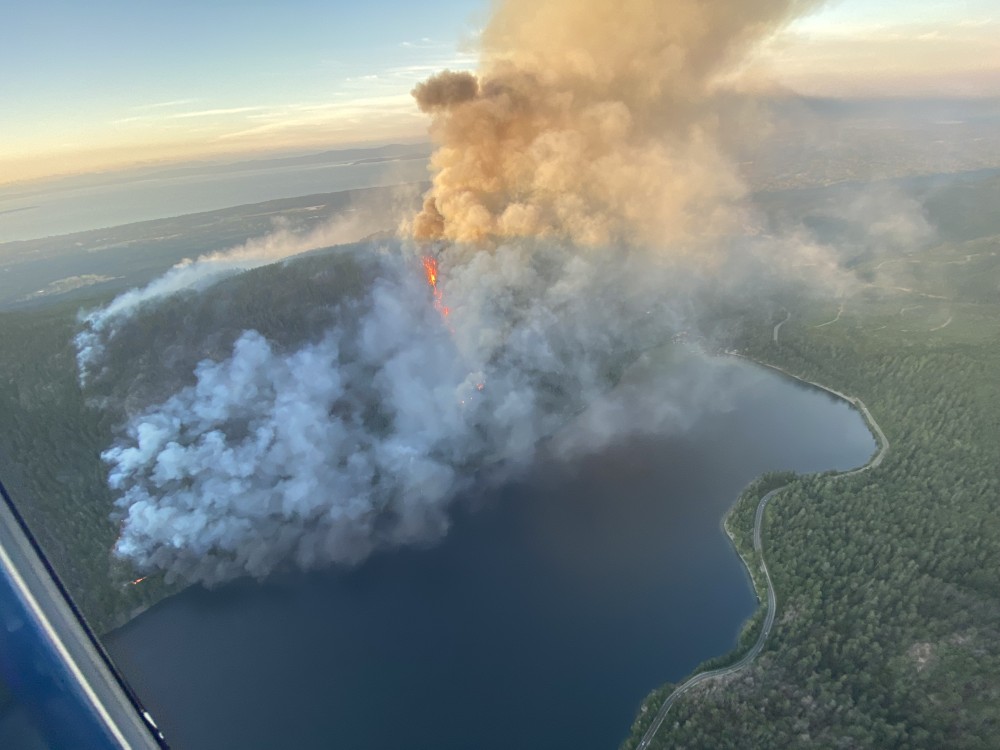
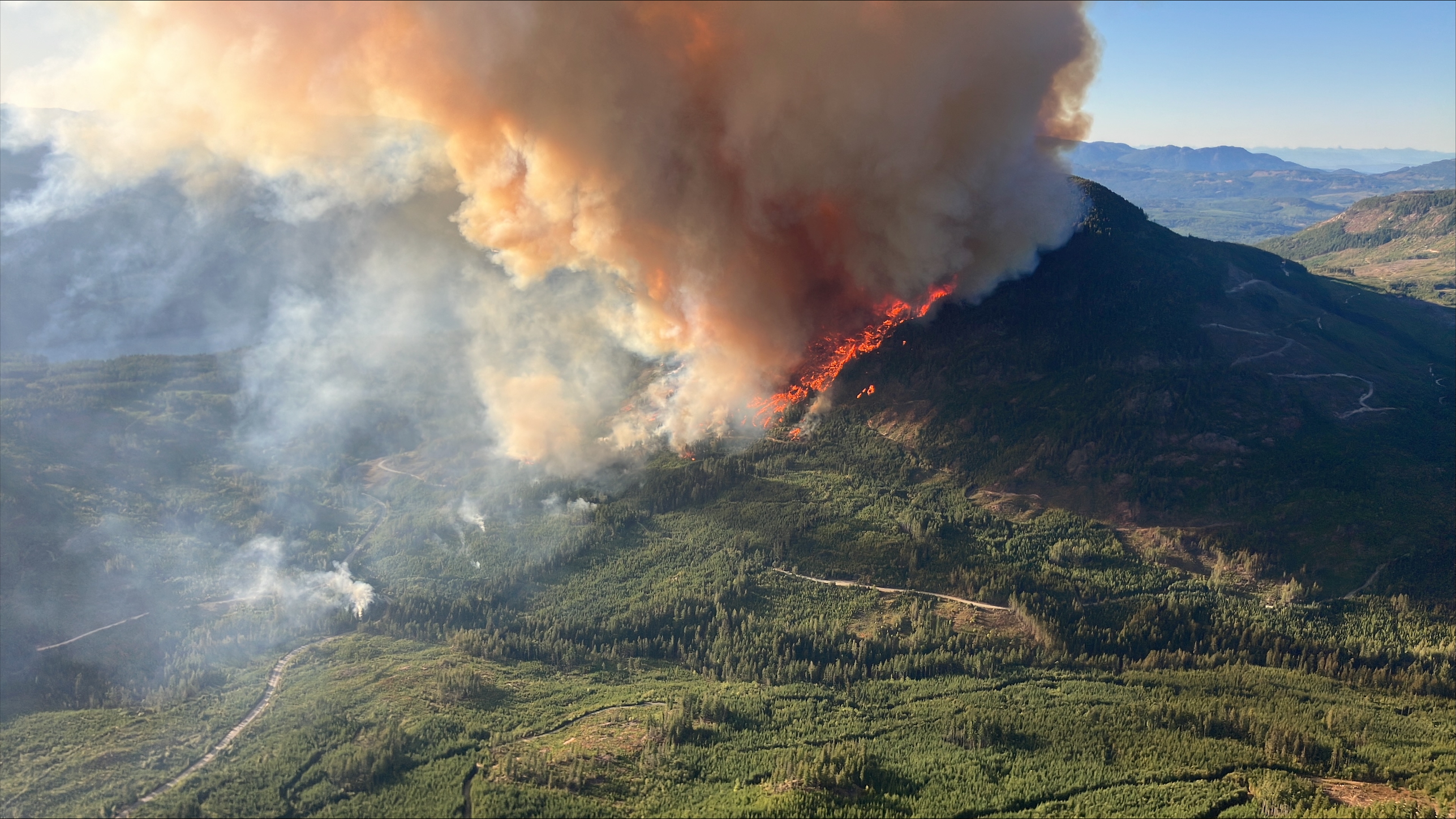
The province’s emphasis on preparedness comes after several challenging wildfire seasons that stretched response capacity and forced evacuations in multiple regions. Fires such as Mount Underwood and Wesley Ridge, which occurred on either sides of Port Alberni, highlighted the increasing frequency and intensity of wildfire events in British Columbia, driven in part by hotter, drier conditions linked to climate change.
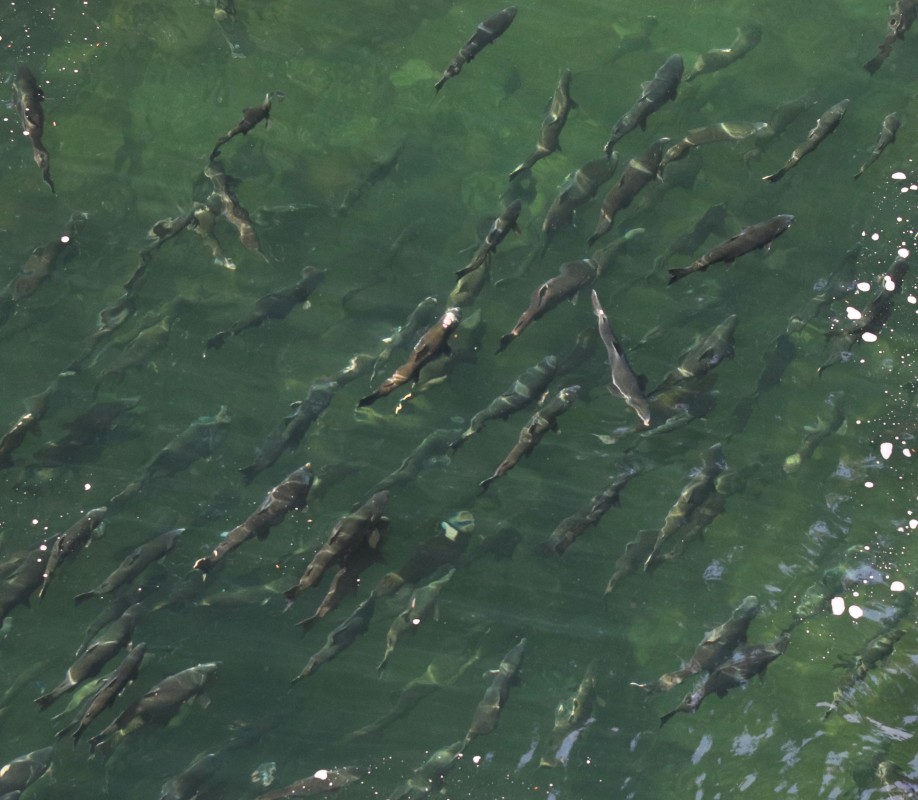
Low water levels could also pose a threat to fish populations, particularly in salmon-bearing streams.
In an email statement, the Ministry of Water, Land, and Resource Stewardship said that in the event of severe drought conditions, some watersheds can reduce stream flows, putting already vulnerable salmon populations at risk during spawning season.
If drought conditions intensify, the province may increase monitoring in affected watersheds and ask water users to voluntarily reduce consumption.
“Voluntary water conservation can help minimize further declines in stream flow and may prevent the need for regulatory action,” the ministry said.
Reduced stream flow not only limits available habitat but can also increase water temperatures, creating additional stress for salmon during critical life stages. Conservation measures such as voluntary water reductions are intended to maintain sufficient flow levels, particularly in smaller or already stressed watersheds. Officials noted that if voluntary measures are insufficient, the province can issue temporary protection orders to restrict water use to reduce pressure on flows and give salmon the best chance to survive and spawn. These measures are considered a last resort.
While officials highlighted the importance of increased awareness by British Columbians, they also acknowledged that much depends on how weather conditions unfold in the coming months.
For Vancouver Island in particular, a dry spring could significantly heighten the risk of both drought and wildfire activity, with cascading impacts on communities, ecosystems, and water resources. With key months of spring precipitation still ahead, officials say the situation remains fluid. However, the combination of below-average snowpack on Vancouver Island and ongoing climate pressures means communities may need to prepare for a summer shaped by heightened environmental risk.