
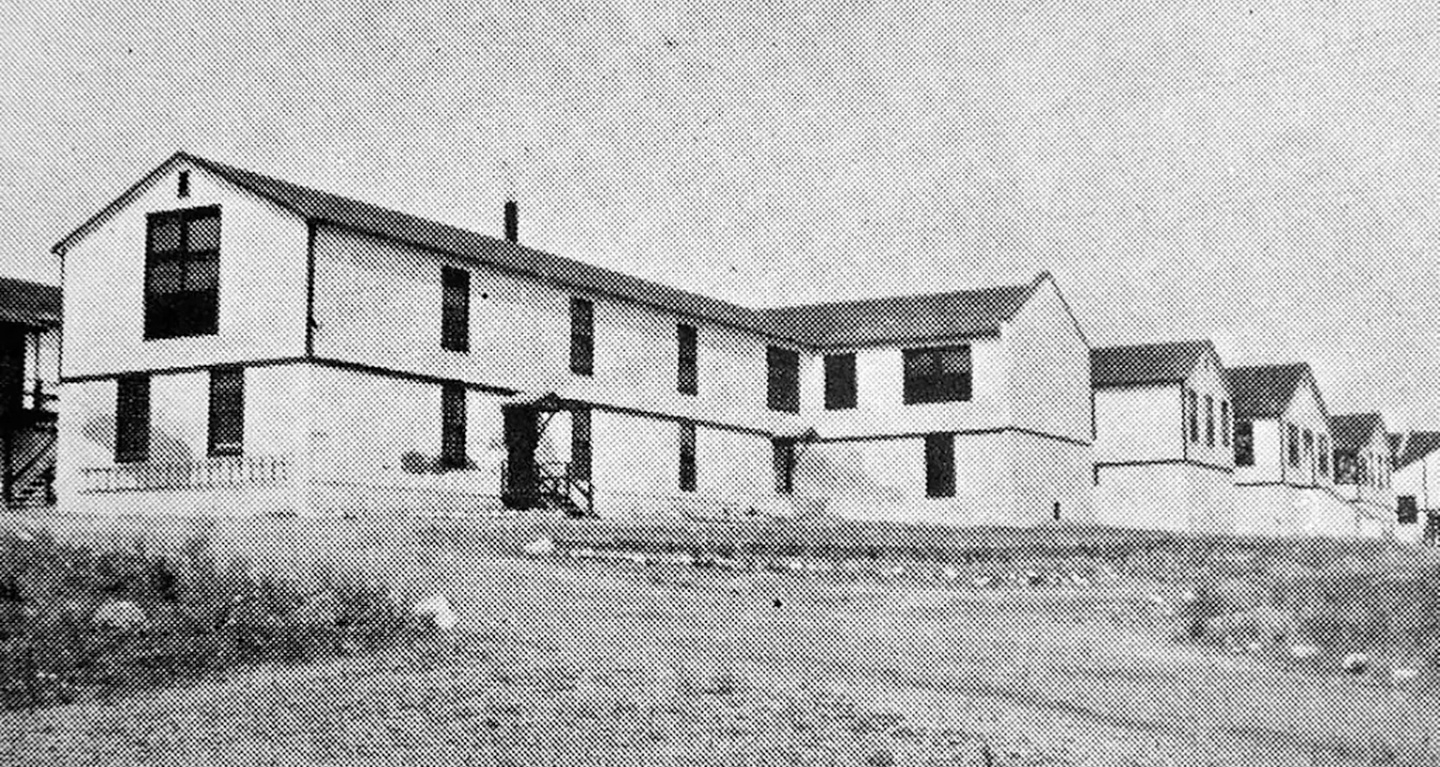
The application period for those that were patients of a Federal Indian Hospital has now opened. In Canada, Federal Indian Hospitals were a network of facilities operated by the Government of Canada between 1936 and 1981. Racially segregated, Canadian Federal Indian Hospitals started out as a TB (tuberculosis) hospital for First Nations people, but many suffered abuses or were victims of medical experimentation there.
Thousands of First Nations, Inuit, and Métis were sent to Indian Hospitals.
In B.C. there were three Indian Hospitals: Nanaimo Indian Hospital on Vancouver Island (1946-1966), Miller Bay Indian Hospital on the North Coast (1946-1971), and Coqualeetza Indian Hospital in the Fraser Valley (1941-1969).
Hundreds of thousands of Indigenous patients across Canada were severely mistreated, neglected and abused at such facilities. As Ha-Shilth-Sa has previously reported, forced sterilizations, medical experimentation, physical and sexual abuse were rife at Indian Hospitals, which were part of the broader colonial system designed to control and assimilate Indigenous communities.
The site of the former Nanaimo Indian Hospital, located on Snuneymuxw First Nation territory, was once used by Western Forest Products and as an army hospital for the Department of National Defence, before becoming an Indian Hospital after World War II.
With 210 beds, it was the second largest Indian Hospital in Canada. Located next to what is now the Vancouver Island University campus, the hospital buildings were demolished in 2004. In 2021, Snuneymuxw announced it would search for unmarked graves at the site. In 2025, the lands were returned to Snuneymuxw as part of an 80.09-hectare addition to their reserve lands and renamed Te’tuxwtun in a land blessing ceremony.
There are numerous reports from the Nanaimo Hospital of sexual and physical abuse and malnourishment. Children were forcibly tied to their beds for days or even months, only untied to eat their meals or bathe. There are also reports that patients at Indian hospitals were forced to stay there until they were discharged or given permission from the Indian superintendent or a medical officer. Those that resisted and left the hospital without permission were often arrested, taken back to the hospital and put in isolation.
Anne Atleo is an Ahousaht member and the manager of the Ahousaht Residential School Research Project. Her late mother Flossie was a patient at the Nanaimo Indian Hospital, sent there when she was in her mid-to-late twenties. “They found out she wasn’t sick right away, but she was still kept there for 18 months. It doesn’t make sense,” says Atleo.
“When she went there, she had two young children, so that experience impacted so much of the bonding period between her and her children. The damage that was done was so far reaching, but our mom reached 95 despite all the horrific things she experienced as a First Nations woman. She is where my strength originates.”
On March 6, 2025, the federal government announced a proposed settlement had been reached in the Hardy v. Attorney General of Canada class action lawsuit, which sought justice for survivors of the hospitals and to hold the Canadian government accountable. In the settlement, the government agreed to provide compensation to individual patients who suffered abuse at Indian Hospitals.
On January 27, 2026, the Claims Period for the Indian Hospitals Settlement opened. Eligible people have until July 27, 2028, to submit a Claim for compensation for psychological, verbal, physical, and/or sexual abuse experienced while admitted to a Federal Indian Hospital during the years it operated.
Compensation ranges from $10,000 to $200,000, based on the severity of the abuse experienced. The Settlement does not include compensation for medical malpractice or claims connected to medical treatment. It also does not include claims connected to any hospital that is not one of the 33 listed in on the Indian Hospital Settlement website.
Free support and resources are available to help people understand what’s included in the Settlement, how to submit a claim, how to access mental health and wellness supports, and to help people move through the claims process at their own pace.
These supports include Claims Helpers, who can help people understand the process and complete a Claim Form; a Claims Administrator, who can provide status updates on a Claim, answer questions about the Claims Portal, and connect to other resources; Class Counsel is also available, free of charge, to answer legal questions about the Settlement and the Claims Process.
Claimants may choose to hire a lawyer, although a lawyer is not required to submit a Claim for compensation. If a Claimant does hire a lawyer and receives compensation, the lawyer who assisted them can request their legal fees be paid by the Government of Canada.
Claims are independently administered by Deloitte, who will share claim files with the federal government.
Claims can be submitted on behalf of Indian Hospital patients who passed away on or after January 25, 2016.
Claimants must be a legally authorized estate representative or an heir (family member such as spouse, child, parent, for example). Settlements will be issued to one family member only.
The Settlement includes the creation of a Foundation which will manage two separate funds:
A Healing Fund that will provide $150 million to support healing, wellness, reconciliation, protection of languages, education and commemoration activities; and
A Research and Commemoration Fund that will provide $235 million to support research, education and preservation of the history of Federal Indian Hospitals and locating burial sites associated with the Hospitals.
The Settlement also provides for a $150 million funding increase to existing Indigenous Services Canada programs to support the health and wellness of claimants through the implementation of the Settlement.
Emotional and mental health support is available 24 hours a day through the Hope for Wellness Helpline at 1-855-242-3310 or www.HopeForWellness.ca. Services are free, confidential, and available in English, French, Cree, Ojibway, and Inuktitut upon request.
For Anne Atleo, though she appreciates the funding and support, she says the 37-page claim form is highly daunting, and she questions the quality of the support that is available to claimants. “It’s like pulling off a bandaid from an old wound. A phone or video call is not good enough. That support should be on the ground. There are over 600 First Nations in Canada. That $300 million is not going to last very long.”
To see if you qualify, visit ihsettlement.ca or call 1-888-592-9101 and press #1
For more information about the claims process you can email GeneralInfo@Contact.IHSettlement.ca


