The B.C. government says its new Child and Youth Well-Being Action Plan marks a turning point in how children and families receive support, promising to replace fragmented, crisis-driven services with a coordinated system that focuses on prevention and early intervention. But for Indigenous children, who continue to experience disproportionately high rates of poverty and involvement with the child welfare system, the plan raises an important question: will this plan of action be different?
Announced on June 16, the five-year strategy is the province’s first attempt to organize child and family services around children’s well-being rather than individual government ministries. Instead of requiring families to navigate separate systems for housing, health care, education, and social services, the plan aims to improve coordination across government while measuring whether children are actually becoming safer, healthier, and better supported.
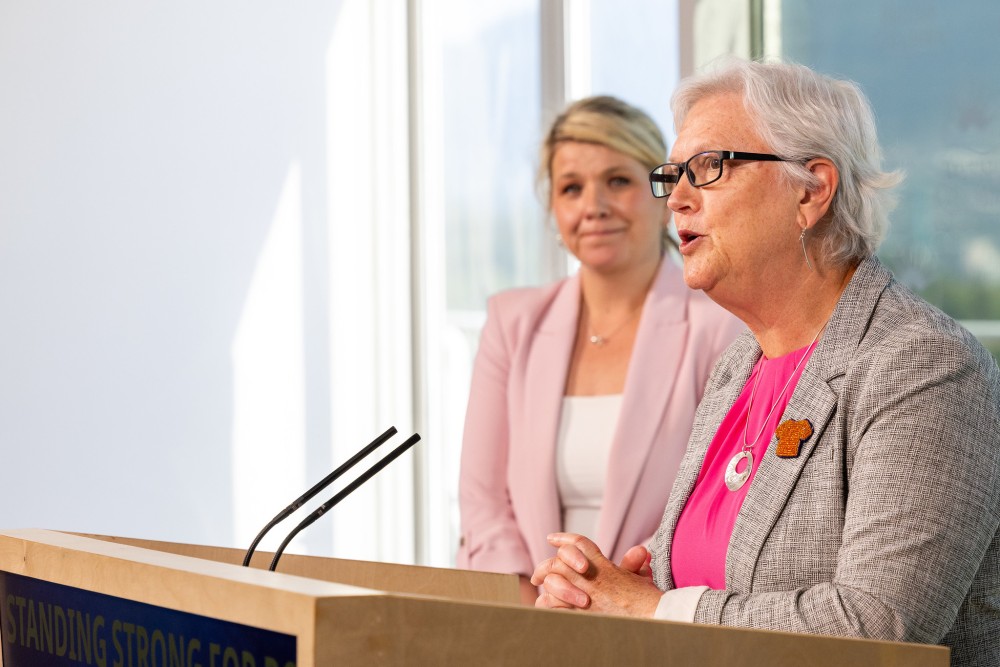
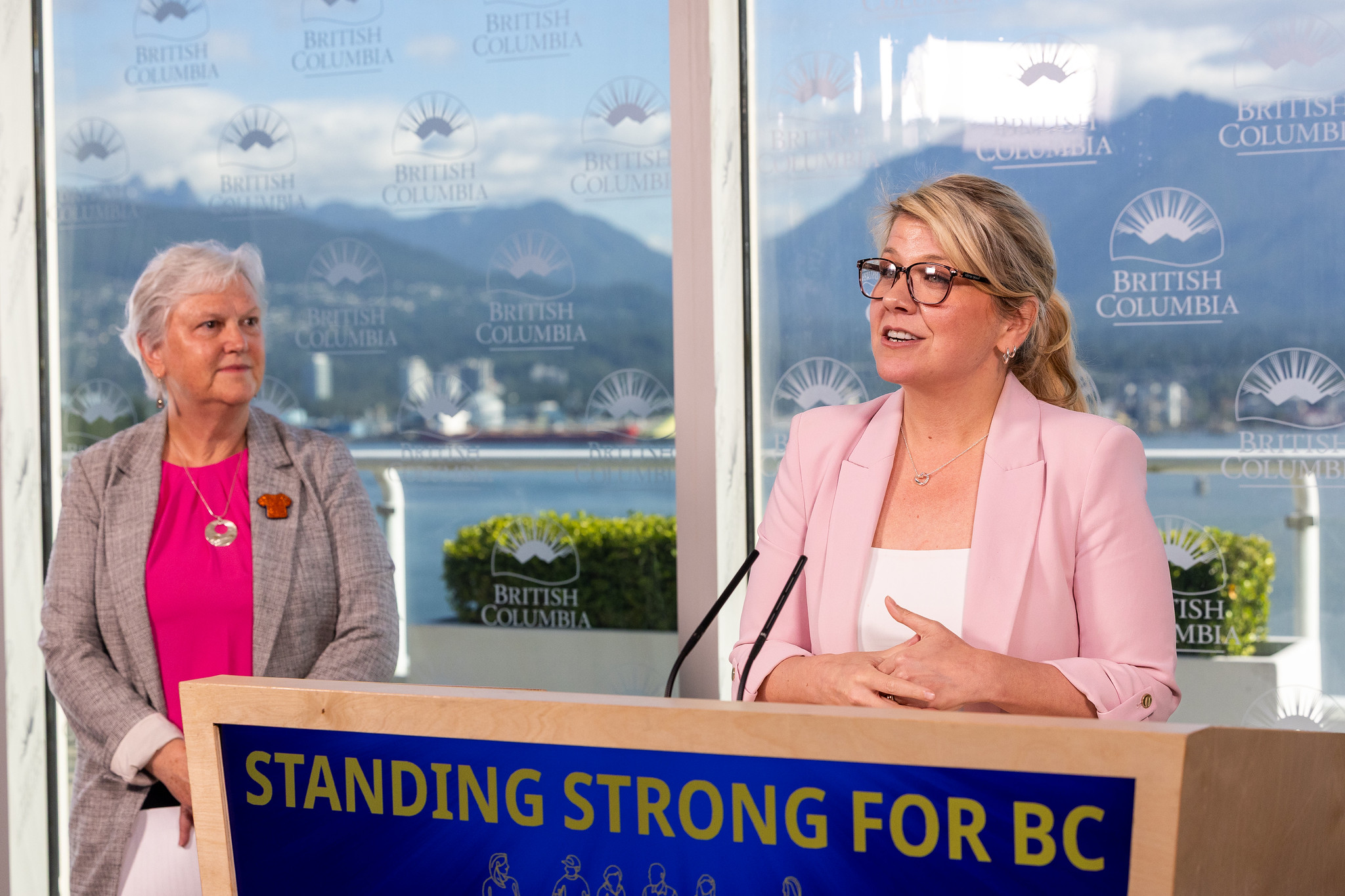
“We all want every child in B.C. to grow up safe, supported, and connected,” Minister of Children and Family Development Jodie Wickens said when announcing the plan. She said families should be able to access “a more coordinated system of supports that make a difference in their lives.”
The plan identifies five priorities: creating stronger foundations for families, preventing intimate partner and family violence, improving integrated services, advancing Indigenous self-determination and jurisdiction, and protecting children involved with the child welfare system.
For many Indigenous leaders and child advocates, these commitments reflect recommendations that have been made for years.
The strategy was largely shaped by Don’t Look Away, the 2024 report by B.C.’s Representative for Child and Youth, Jennifer Charlesworth. The report examined the preventable death of a young boy known publicly as “Colby,” and concluded that disconnected government systems, delayed intervention, and insufficient support for families contributed to repeated failures. Charlesworth called for a government-wide approach that focused less on responding to crises and more on preventing them.
“This plan and outcomes framework are important foundational steps,” Charlesworth said following the province’s announcement. “I am hopeful… that with this announcement comes momentum to take concrete actions that will ensure all young people in the province thrive.”
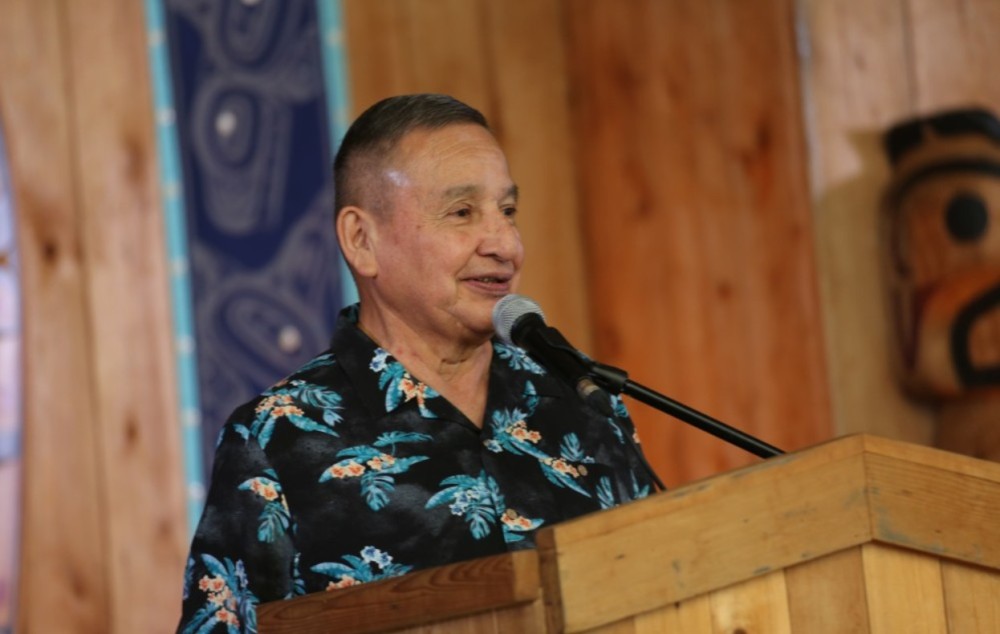
Grand Chief Stewart Phillip of the Union of British Columbia Indian Chiefs also welcomed the plan while cautioning that actual implementation will determine whether Indigenous children benefit.
“The true test of this new approach, however, will be its implementation,” Phillip said. “Real accountability and better outcomes for First Nations children will depend on trust, relationships, and on every minister’s commitment to delivering on their promises.”
Although the number of children in provincial care has steadily declined over the past decade, Indigenous children remain dramatically overrepresented. Ministry of Children and Family development data show Indigenous children continue to make up the majority of children in care despite representing only a fraction of British Columbia’s child population. This has persisted despite years of reforms aimed at reducing Indigenous involvement in child welfare.
Asked how the new Child and Youth Well-Being Action Plan will make a difference for Indigenous children, the Ministry of Children and Family Development said the strategy is intended to improve how government systems work together while advancing Indigenous self-determination. The ministry said Indigenous children “do better when they remain connected to family, community, and culture,” and described advancing Indigenous jurisdiction as “a major step forward on the path of lasting reconciliation” that is intended to improve outcomes and reduce the overrepresentation of Indigenous children in care.
The ministry also acknowledged that Indigenous youth remain overrepresented in both government care and the justice system.
“We know that needs to change,” they expressed. “We have hired an Indigenous Child Welfare Director who is providing leadership and advice on child welfare practice and how to support Indigenous jurisdiction; a position long advocated for by Indigenous partners. We are proud of the work we have done to advance this work so far, and we will continue to build on it with our Indigenous partners.”
The new action plan recognizes that history, committing government to advancing Indigenous self-determination and supporting Indigenous jurisdiction over child and family services. The province says strengthening Indigenous-led decision-making and culturally grounded services will improve outcomes for children while keeping more families connected to their communities.
Chief Shana Thomas of the First Nations Summit says the plan better reflects First Nations’ holistic understanding of child well-being.
“When our self-determination and jurisdiction are respected, our children grow up strong in their identity, connected to their culture, and supported by systems that are truly theirs,” she said.
Child poverty persists
However, child welfare represents only part of the challenge.
Poverty continues to shape many of the circumstances that place families at greater risk of government intervention.
The First Call Child and Youth Advocacy Society warned in its 2025 B.C. Child Poverty Report Card that child poverty is deepening across the province, with Indigenous children remaining among those most affected. The report argues that housing costs, inadequate income supports, and growing food insecurity continue to leave many families struggling to meet their children’s basic needs.
The conditions of poverty matter because child advocates have long argued that poverty and family stress often become child protection issues when adequate supports are unavailable.
The province’s new plan acknowledges that children’s well-being depends on more than child protection services. It links housing, health care, education, violence prevention, and income supports into a single, measurable Outcomes Framework.
Instead of measuring how individual ministries perform, the province says the framework will evaluate whether children’s lives are actually improving.
The strategy also promises to reduce barriers by expanding Connected Services B.C., allowing families to access supports without repeatedly telling their stories to multiple agencies.
However, whether these changes will produce meaningful change remains uncertain.
Recent tragedies continue to raise difficult questions about the child welfare system’s ability to protect vulnerable Indigenous children.
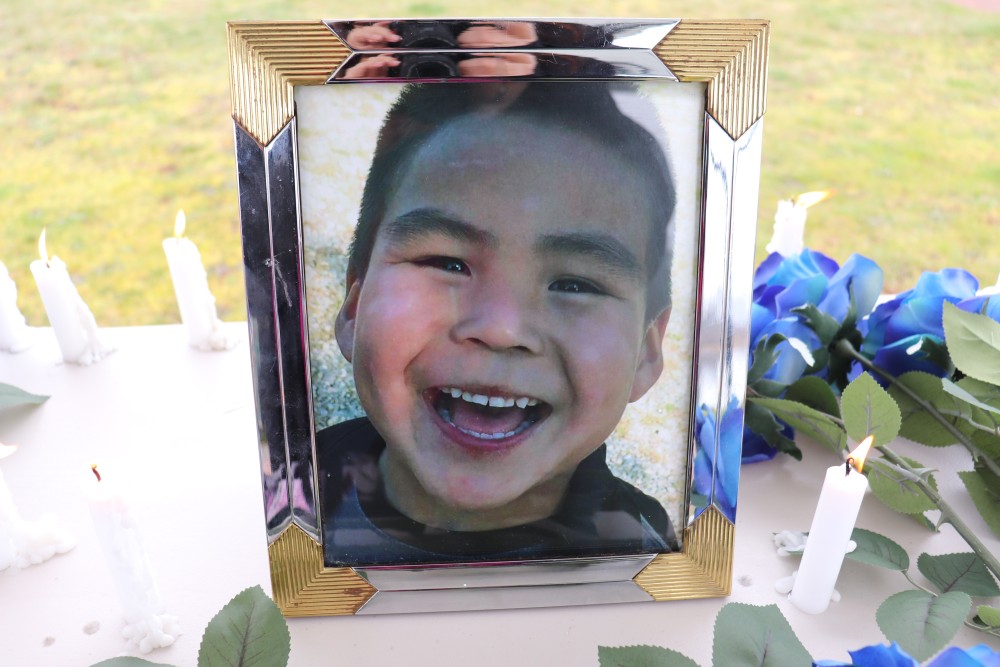
The deaths of Nuu-chah-nulth teen Chantelle Williams and six-year-old Don-Tay Lucas led to public scrutiny of how government systems respond when children are known to authorities or receiving services. While the circumstances surrounding each case differ, both have fueled ongoing concerns about accountability, communication between agencies, and whether warning signs are identified early enough to prevent tragedy.
Those are precisely the systemic failures the new action plan says it intends to address. However, plans alone do not change outcomes.
For Indigenous families who have experienced generations of government intervention, from residential schools and the Sixties Scoop to today’s child welfare system, the measure of success will not come from another government strategy or reporting framework. It will be whether fewer Indigenous children enter care, whether families receive help before reaching crisis, whether poverty declines, and whether Indigenous communities have the authority and resources to care for their own children.
The province has acknowledged that achieving those goals will require ongoing collaboration with Indigenous governments, community organizations, and families themselves. Whether the plan becomes another well-intentioned policy or the beginning of lasing systemic change will ultimately be measured by the lives of children it promises to serve.