As Indigenous people continue to face a high rate of confrontations with police, a First Nations leader is disappointed that recent jury recommendations from a coroners inquest into a fatal shooting didn’t look further into the heart of the problem.
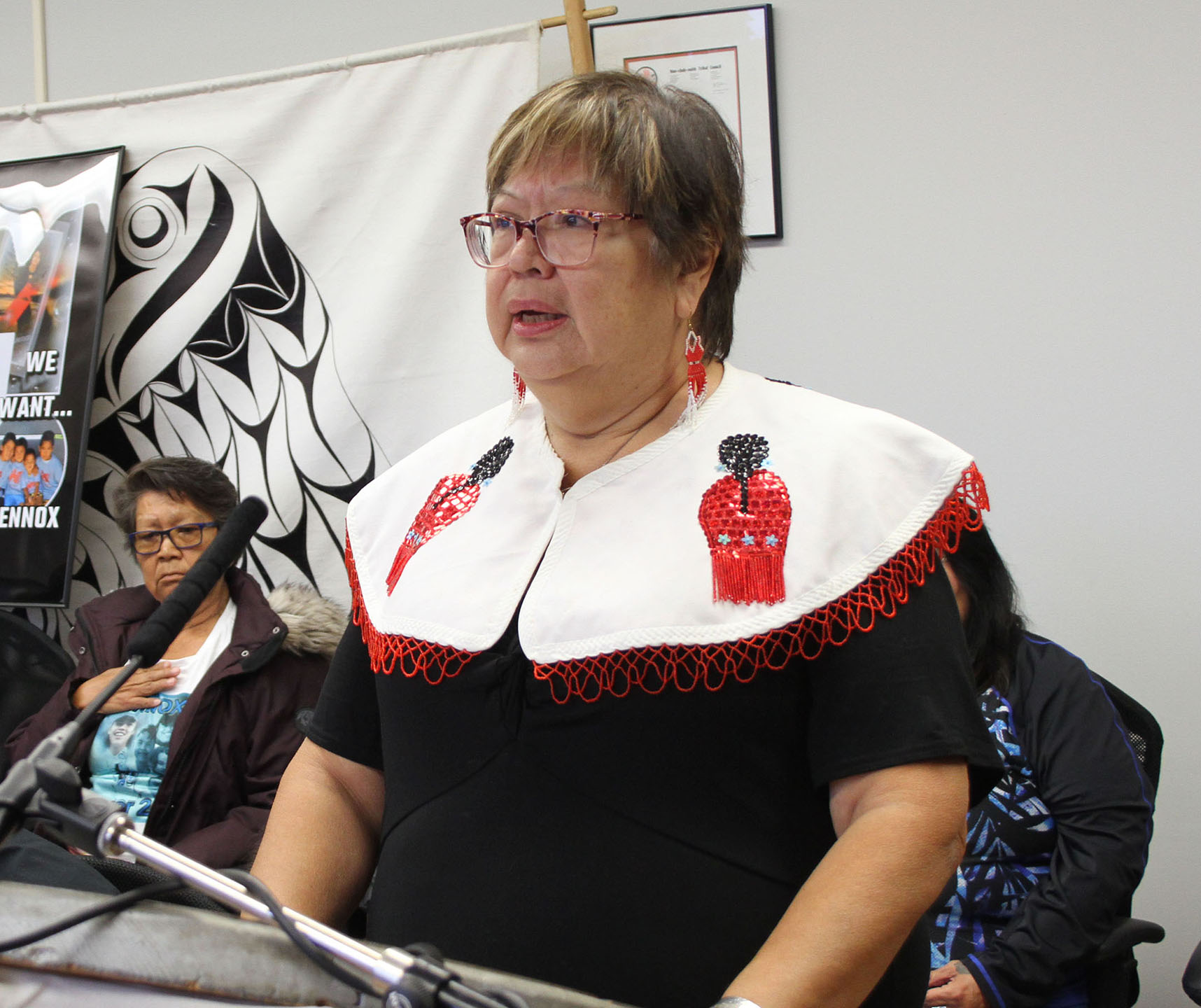
“I was really hoping for stronger recommendations,” said Cloy-e-iis, Judith Sayers, president of the Nuu-chah-nulth Tribal Council. “As long as there’s First Nations people getting shot by the police, getting beat up by the police, we’re not making progress.”
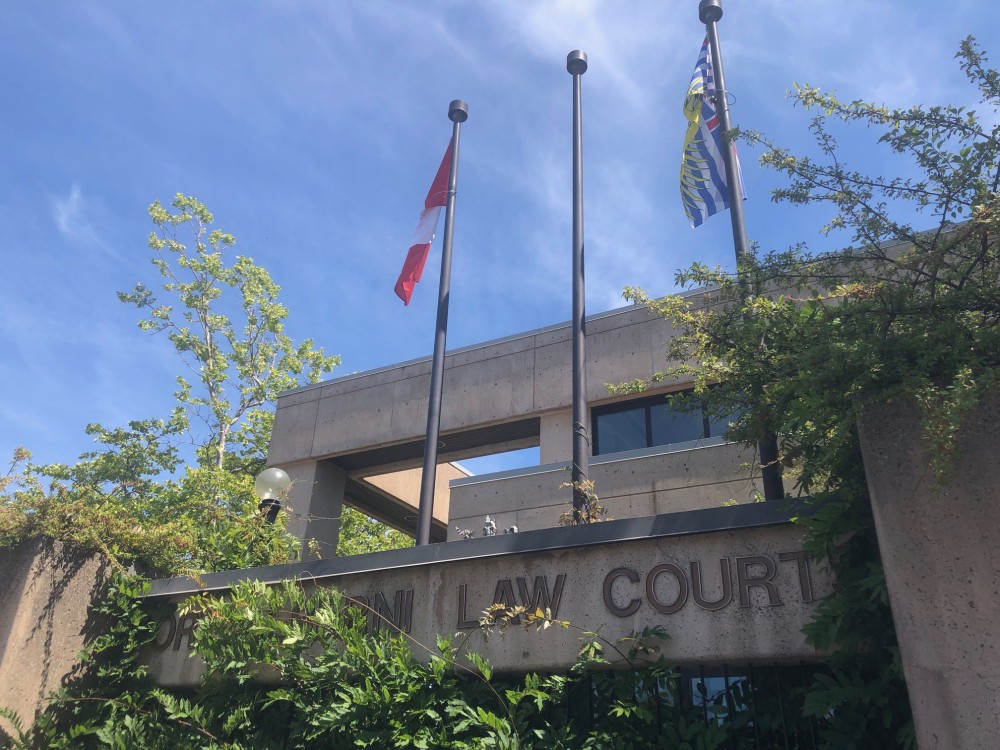
A coroners inquest was held this month at the Port Alberni Law Courts into the death of Julian Jones, a 28-year-old member of the Tla-o-qui-aht First Nation who was shot dead during a confrontation with police on Feb. 27, 2021. Two members of the Tofino RCMP were called that evening to a home in the Meares Island village of Opitsaht, responding to allegations from a female of sexual assault and being held against her will.
After six days of witness testimony and over a day of deliberations, on Aug. 27 the jury released four recommendations to prevent similar tragedies from happening in the future. These included that the RCMP consider equipping all officers with tasers and body worn cameras, while acquiring an Indigenous liaison to work with Tofino’s detachment. The seven-member jury, who were selected from the general population, also recommends that B.C. Emergency Health Services secure more reliable contracts with water taxis to ensure marine transportation is readily available.
While Sayers agreed with most of these recommendations, she noted that officers at the Tofino RCMP are already equipped with body cameras, part of a national deployment that started in November 2024. This brings up the question of why the jurors weren’t informed of this.
“I suppose the jurors don’t know that,” said Sayers.
Another matter that the jury did not touch on with their recommendations was the absence in the inquest of the officer who fired the fatal shots. David Robichaud has since retired from the RCMP and lives out of the province, and so is not legally obligated to give testimony under existing legislation.
“Under the Coroners Act, the Coroner Service’s ability to compel the attendance of out-of-province witnesses is limited,” stated BC Coroners Service communications.
“I think the law needs to be changed,” said Sayers. “Even if a person has retired, they should be able to compel them and also require B.C. to enter a protocol with other provinces so that they have to come back to B.C.”
The jury did note that “the RCMP could do more to learn about and incorporate cultural aspects in their policing of Indigenous people” in its recommendations, touching on a systemic issue that has prevailed for much of Canada’s history. Aboriginal people are several times more likely to die during police interactions that the general population, according to a report published in 2025 in the International Journal of Police Science and Management.
“Indigenous peoples make up 5.1 per cent of Canada's population and 112 Indigenous people have died as a result of police-involved death since 2000, or 16.2 per cent of the total number of police-involved deaths,” stated the report.
Less than a year before Jones’ death, another Tla-o-qui-aht member died during a police interaction on the other side of the country. Chantel Moore was shot dead during a late-night wellness check in Edmunston, New Brunswick on June 4, 2020. Nearly two years later a coroners inquest into that tragedy produced a recommendation that police have better access to “non-lethal tools” like tasers, which was also recommended in the recent Julian Jones inquest.
But as the Tla-o-qui-aht community reflects on the incidents, wondering what could have been done to reach a different outcome, the question arises if closer police relationships with those involved could have helped in de-escalation attempts.
Sayers noted that often RCMP officers aren’t stationed in a community long enough to establish such connections.
“That’s a high turnover rate to build a relationship in order to really educate them on community,” she said. “You just get close to somebody and they get shipped out. It’s just devastating.”
Meanwhile those who repeatedly find themselves in conflict with the police are often inherently challenged in how they can fit into mainstream society. Last summer a video circulated online showing Port Alberni police beating a man on the ground while executing an arrest after a disturbance was reported from a business. Shawn Hall, 33, was homeless at the time, struggling with a longtime addiction to drugs, according to his sister Caroline Hall. Shawn Hall, who is believed to have Hesquiaht and Cree descent, had a history of criminal charges going back to 2011, including incidents of break and enter and theft.
Julian Jones also had a long criminal history, a record dating back to the time he became an adult. During the coroners inquest testimony described the challenges he faced throughout his short life, starting with acquiring fetal alcohol spectrum disorder while in the womb, a condition that can bring impulsive behaviour with little consideration of consequences. Jones was in and out of foster care during his youth.
“Julian had severe deficits,” said Probation Officer David Paruk during his emotional testimony.
Last year the federal Department of Justice released a strategy in an attempt bridge the gap that continues to persist. The Indigenous Justice Strategy stresses the need for “strengthening relationships between police and communities”, while finding ways for law enforcement to “improve awareness of the histories, cultures and circumstances of First Nation, Inuit and Métis peoples, including the ongoing effects of colonialism.”