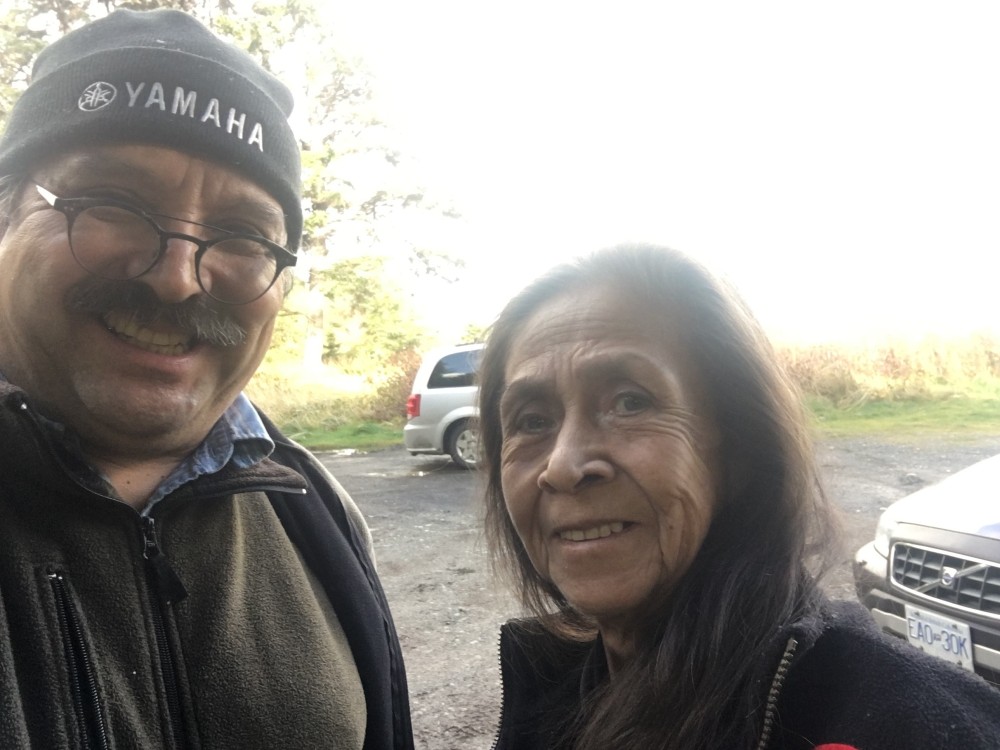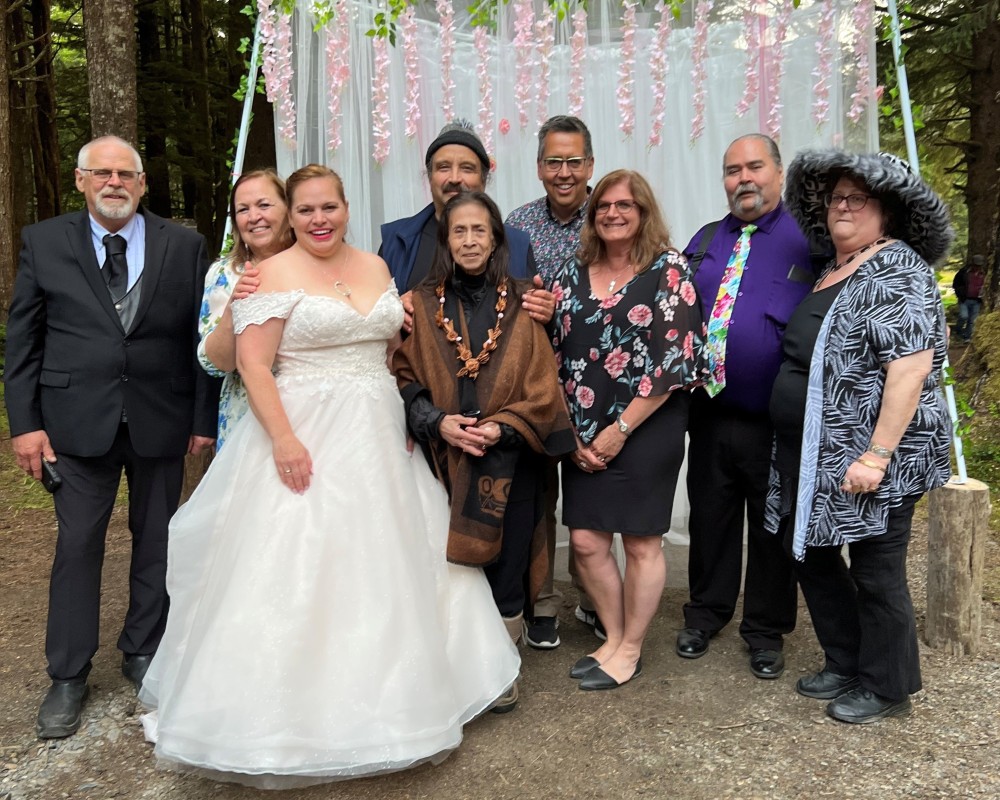
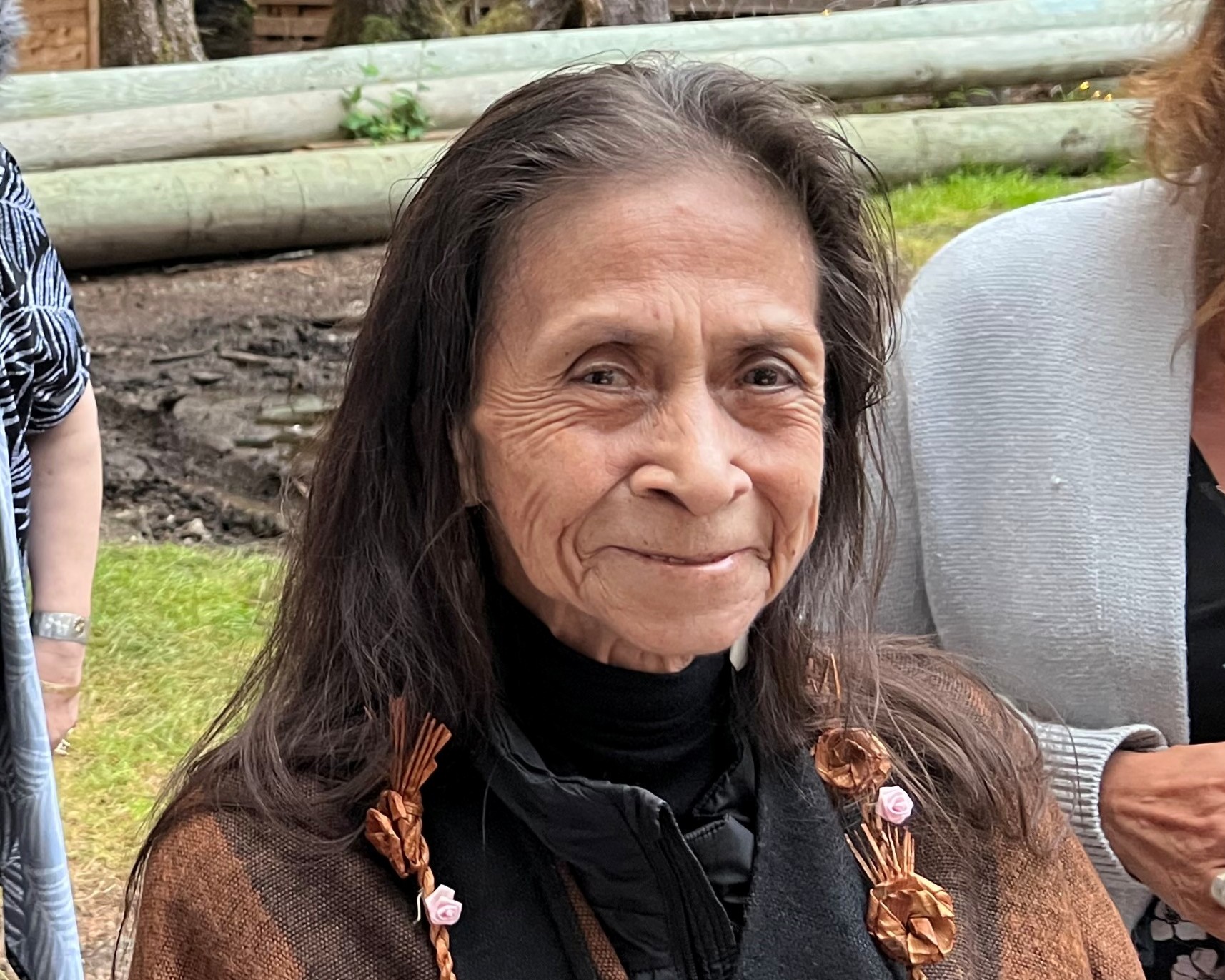
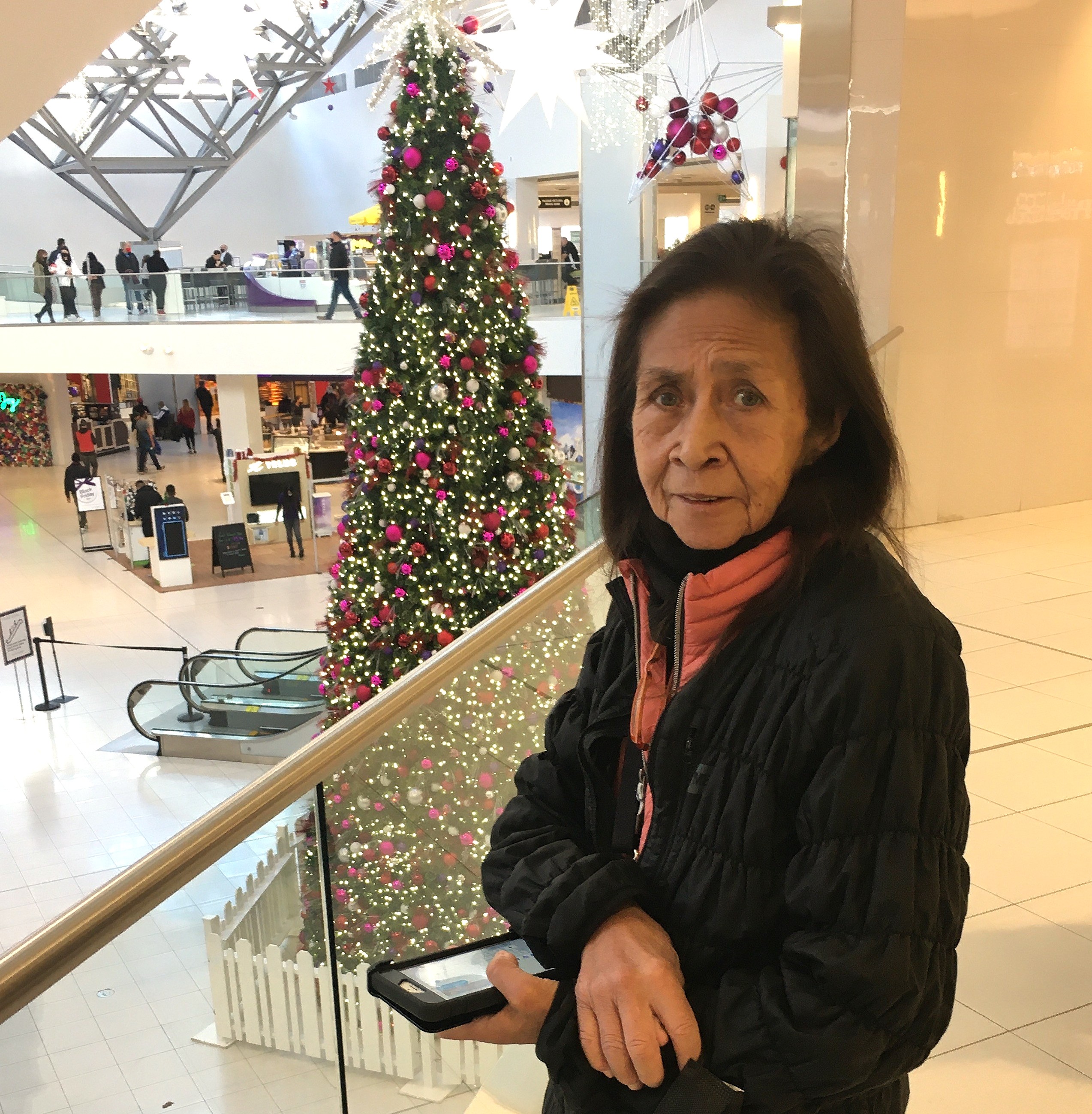
Widower Kimball Davidson says his wife Bernice is an unsung hero.
“Her weapon was kindness and her shield was compassion,” he says.
A chronic autoimmune disease called Primary Biliary Cholangitis (PBC), which is unrelated to alcohol, caused Bernice’s liver to slowly deteriorate over the course of a decade. She passed away on Oct.16, 2022, at 4:15 a.m. in Vancouver General Hospital at the age of 71.
“When Bernice was feeling down her thoughts would turn to ‘who can I help’. Then somehow she would find a way to bring some light into someone’s life,” said Davidson.
“I was always surprised with her thoughtfulness of what would bring some happiness into one person’s life. She had a remarkable ability to know what person would like. She remembered everybody’s birthdate and also remembered the time of those who would be in sorrow,” he shared.
Bernice, who is of Huu-ay-aht and Toquaht First Nations descent, tried to access the liver transplant waitlist, but was turned away because her MELD (Model for End-Stage Liver Disease) score was too low.
Based on a series of blood tests, MELD is how healthcare professionals assess a patient’s need for a transplant, and influences their placement on waitlists. The score ranges from 6 to 40. The higher the score, the more urgently a patient needs a liver transplant.
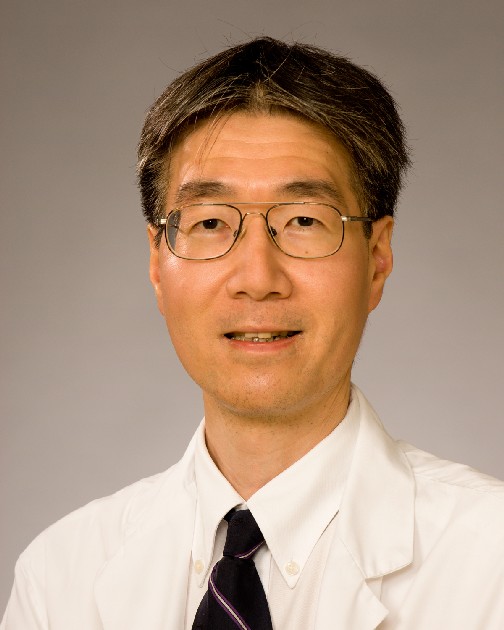
Dr. Eric Yoshida, a professor of medicine at University of British Columbia and the former medical director of the BC Liver Transplant Program, says one of the biggest problems with MELD is that it is modeled off a heterogeneous patient population (Caucasians) and underestimates in some demographics.
“You have this constellation of women who are Indigenous who have liver disease, which causes wasting of muscle, so even though their serum creatinine might not be that high, it underestimates MELD score for them,” said Dr. Yoshida.
“I don’t personally like the MELD score that much. It does disadvantage patients with severe liver disease who just happen to have a low MELD score,” he said.
Davidson was prepared to testify on behalf of his deceased wife in a longstanding Human Rights Tribunal complaint between the Union of British Columbia Indian Chiefs (UBCIC) and the Provincial Health Services Authority (PHSA), British Columbia Transplant Society (BCTS) and Vancouver Coastal Health Authority (VCHA).
“It wasn’t meant to be discriminatory, it just was. They designed (MELD) and they thought it covered everybody, they weren’t targeting First Nations,” said Davidson.
On Nov. 1, 2025, roughly three years and a month after Bernice’s death, the class complaint was settled and PHSA, BCTS and VCHA made significant amendments to British Columbia’s liver transplant policy to remove barriers to eligibility and priority for liver transplants that Indigenous patients can receive.
One of the revisions to B.C.’s liver transplant guidelines ensured that MELD scores for patients with PBC will not impede their access to transplant eligibility.
Grand Chief Stewart Phillip, UBCIC President, stated: “On behalf of the Union of B.C. Indian Chiefs, I want to express my deep sadness about the passing of Bernice Davidson in October, 2022. Our sincere hope is that the changes to the transplant policy that UBCIC advocated for, a fight that David Dennis began, will allow for greater access to liver transplant for Indigenous peoples.”
Elaine Yong is the manager of communications and community engagement for BC Transplant. She said as of April 2025, the province’s liver transplant program has an Indigenous Care Coordinator available to support any self-identified Aboriginal patients and their families who are receiving liver transplant care. She said amendments have been made to transplant guidelines that better consider the conditions of Indigenous patients.
“The amendments include aspects of pre-transplant care provided by healthcare teams outside the direct purview of the liver transplant program so it will take time to fully understand the health system challenges and how to continually adapt to better support Indigenous clients,” said Yong.
Coastal First Nations are more susceptible to PBC, research shows
PBC occurs more often in women than in men and most cases are diagnosed between ages 40 to 60. There is also ongoing research that suggests B.C. Coastal First Nations are more susceptible to PBC.
Dr. Laura Arbour is a professor in the Department of Medical Genetics at the University of British Columbia. Alongside Dr. Yoshida, Dr. Arbour has studied the prevalence of BPC in B.C. First Nations for nearly three decades.
A study of liver transplant need from 1989 to 1998 showed that although just 3.9 per cent of the population of B.C. was of First Nations descent, 25 per cent of those requiring transplantation for PBC were in this demographic.
“From this, it can be calculated that PBC is about eight times more common than in the non-native population,” co-authored Dr. Arbour in a medical journal from 2004.
In 2017, Dr. Arbour and a team of researchers expanded on the earlier study by analyzing family genome linkage and reviewing clinical histories of 105 individuals of First Nations origin, 44 affected with PBC and 61 unaffected relatives, from 32 different families.
“It took us literally 20 years to get that paper published,” said Dr. Arbour.
She said PBC in B.C. First Nations is a “multifactorial condition”, meaning there are certain environmental triggers (like bacterial and viral infections) in addition to genetic factors that may determine the disease.
PBC is not the only autoimmune disease that is common in B.C. First Nations. Studies have also shown lupus to be more prevalent as well as rheumatoid arthritis.
“Genetic conditions can disproportionally affect any ethnicity or group and not just Indigenous. It does not suggest that there is any type of genetic inferiority,” Dr. Arbour said.
She pointed out that Sickle Cell Anemia is more common amongst those of African origin and Cystic Fibrosis may be more prevalent in people with European ancestry.
‘It’s a tragedy’
It’s hard to know whether getting her name on the liver transplant list would have saved Bernice’s life.
Dr. Yoshida calls organ transplants a “never-ending tragedy” with referrals steadily going up while the number of organs available remains stagnant.
“Every single time the indication for transplantation expands, that means that there is pressure on the existing pool because there is even more people that desperately need that. It’s a tragedy,” he said.
The best way to avoid end stage liver disease is through healthy lifestyle and diet choices, says Dr. Yoshida. There is also medicine available if PBC is diagnosed in the early stages that can prevent it from getting worse.
“Just simply go to your healthcare provider and say, ‘look I want to be tested for liver disease’. It’s easy,” said Dr. Yoshida.
“Bernice was a wonderful person. She was lovely. I wanted the best for her and I was extremely sad that she passed away. I have nothing but sympathy for her husband Kimball,” he said.
As of December 1, 2025, there are 69 people in BC waiting for a liver transplant match, according to recent BC Transplant statistics, and 92 people received liver transplants in 2024.
Davidson said watching his wife’s health deteriorate was horrible. He hopes Bernice’s story and the new amendments to liver transplant access will help keep loved ones together, longer.