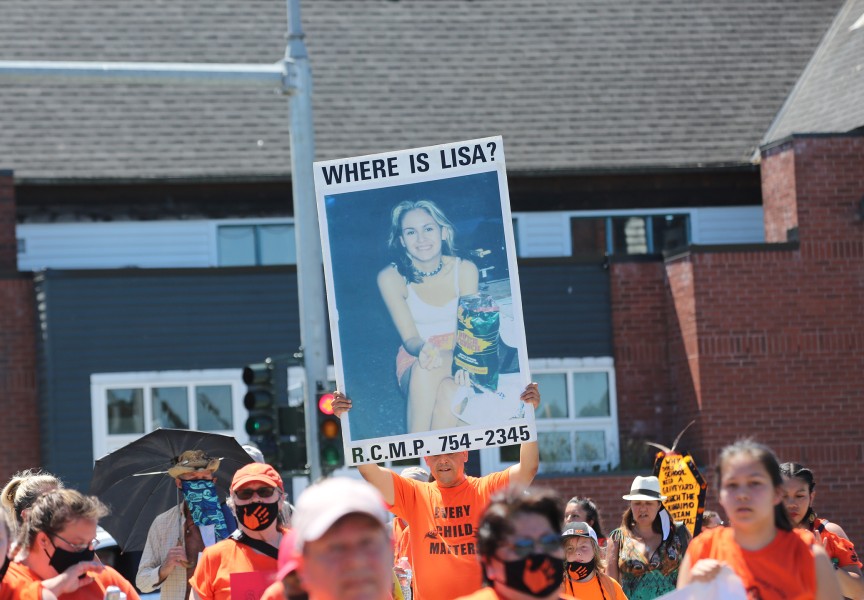
From coast to coast the issue is painfully blatant: Canada’s justice system is failing First Nations communities – and the number of incarcerations is getting worse.
A study of provincial and federal institutions in six provinces shows Indigenous people being incarcerated at 10 times the rate of the rest of the population in 2024. The figures from Prince Edward Island, Nova Scotia, Ontario, Saskatchewan, Alberta and B.C. had gone up from 2019, when Indigenous people were locked up at eight times the rate of others, according to the data from Statistics Canada. Two years ago overrepresentation in Saskatchewan was particularly severe, with Aboriginal people being incarcerated 20 times more than others in the prairie province.
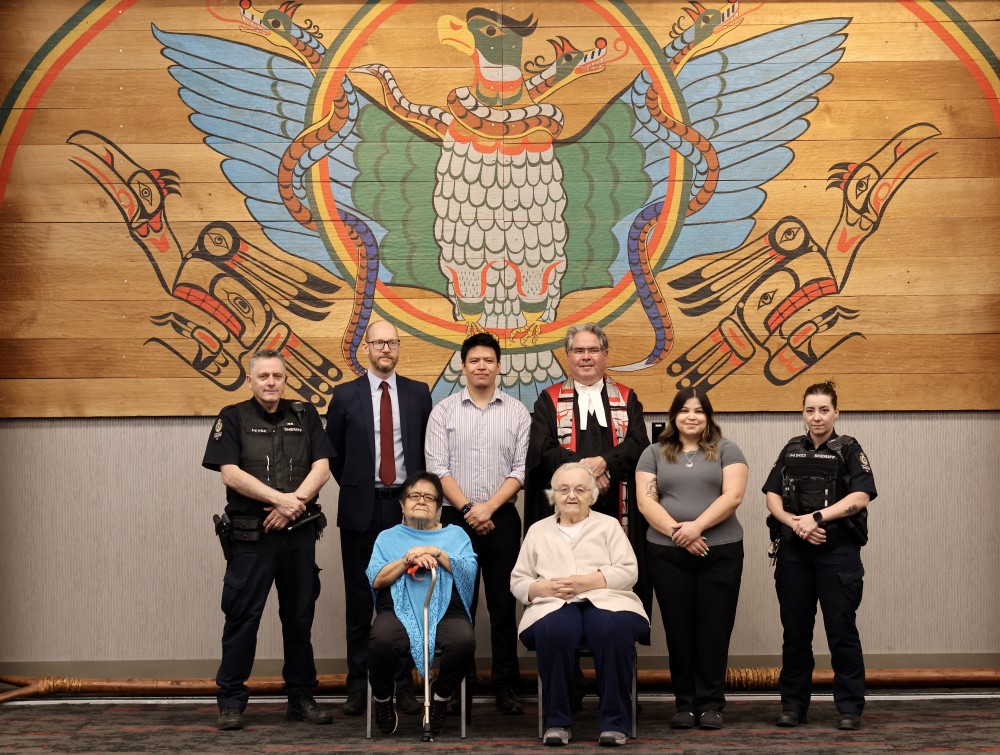
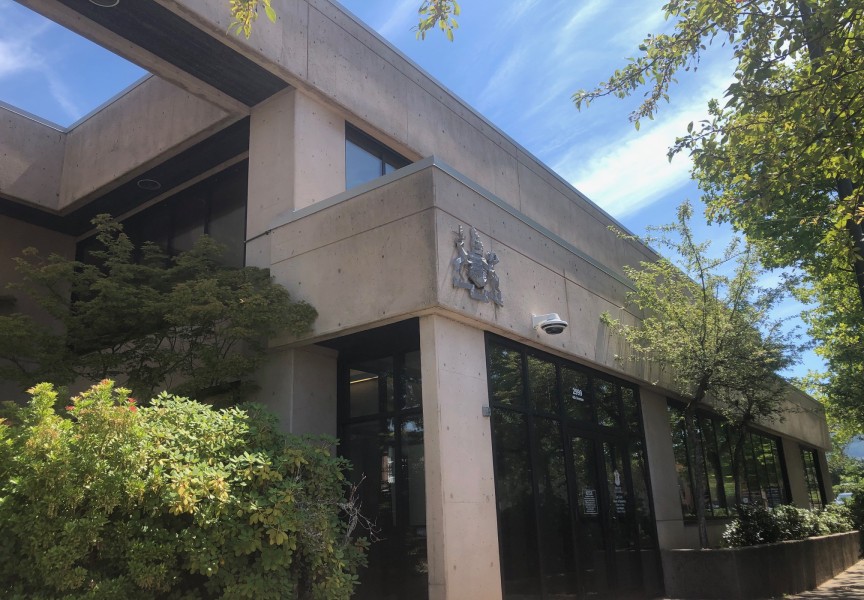
In an effort to take on the problem, in recent years the Tla-o-qui-aht First Nation started its own justice program. The First Nation on the west coast of Vancouver Island now has its own nine-member justice committee, with a provincial circuit court that makes intermittent stops at Tla-o-qui-aht’s Tin Wis conference centre in Tofino to “allow the Tla-o-qui-aht Justice Committee to actively participate in the sentencing process,” stated the First Nation”. Tla-o-qui-aht has also hired a restorative justice coordinator for “weaving together traditional Indigenous practices with the modern legal system.”
Those familiar with the traditional practices once exercised by Nuu-chah-nulth communities would know that, if compared to 21st century Canada, the old ways of making things right could be particularly harsh. If other means proved unsuccessful, one method undertaken in coastal villages was taking the offender out to sea in a canoe without a paddle, leaving the individual to drift wherever the ocean would dictate.
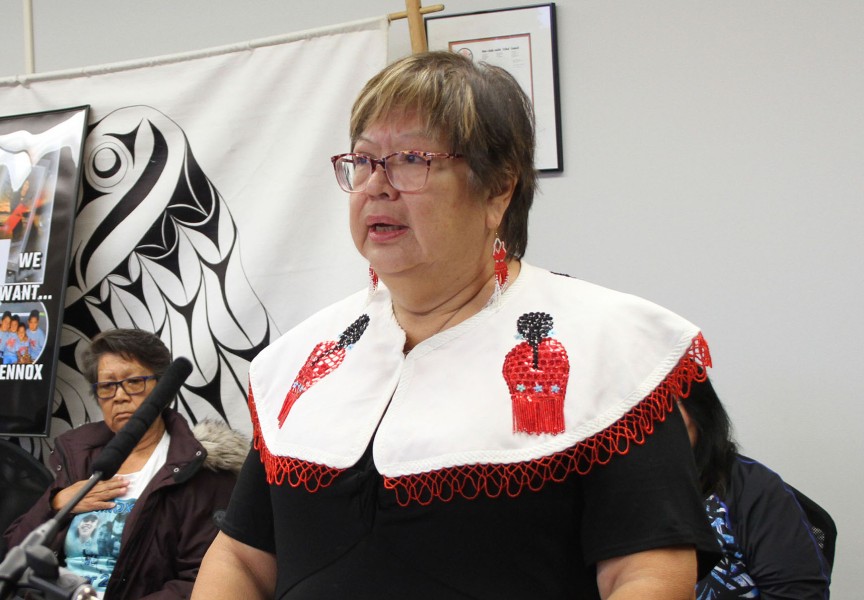
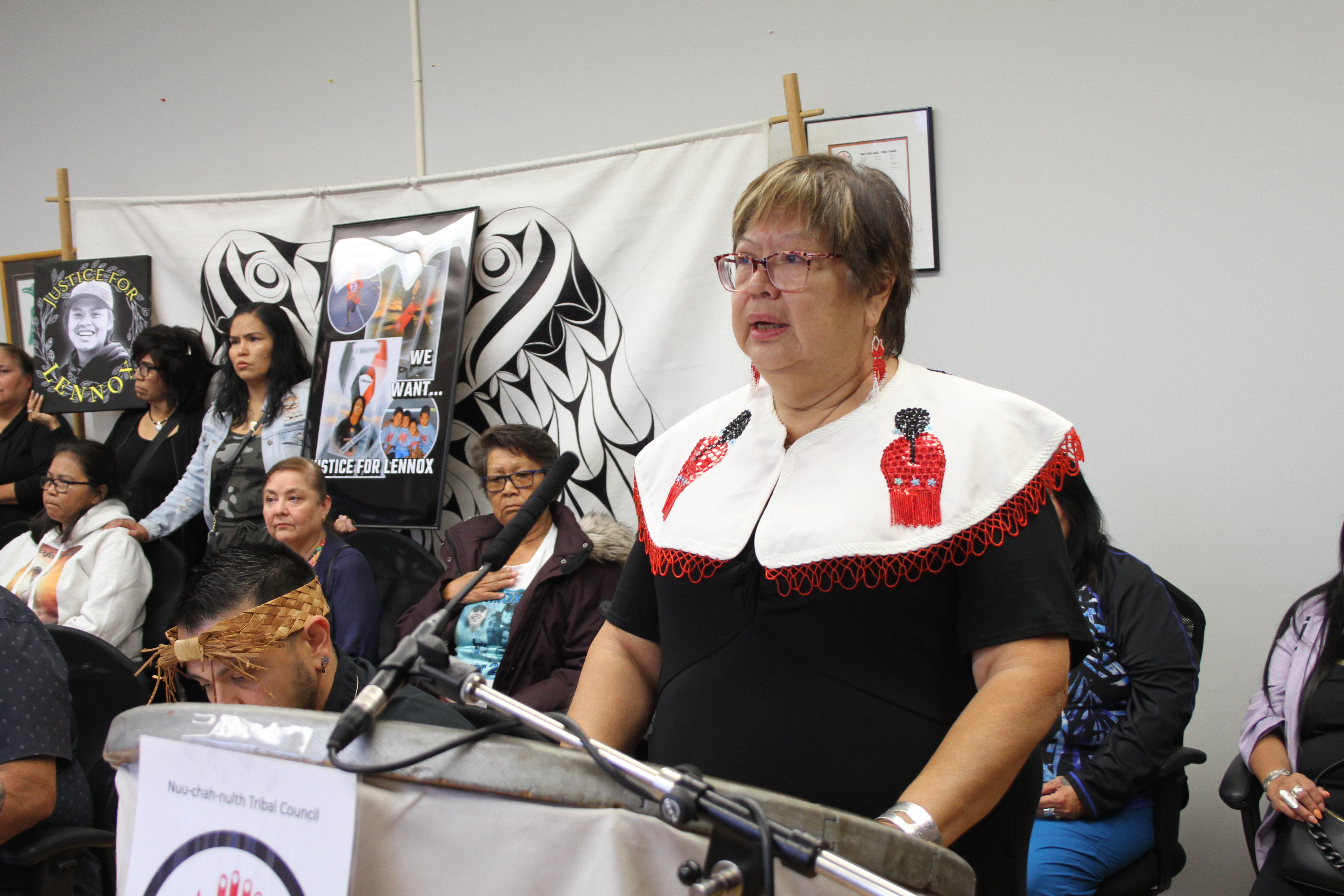
This is not being considered, but other means of involving the community in a person’s rehabilitation are being explored, says Cloy-e-iis, Judith Sayers, president of the Nuu-chah-nulth Tribal Council. The NTC is currently in the early stages of formulating its own justice strategy with 11 participating First Nations.
“We don’t want to lose members in our community,” said Sayers. “Instead of going through the system, throwing them in prison and not really reforming them, can we set up a process in communities based on our own laws, using our own values, where the offender and the victim have a process in place? The victim would have a say in the healing processes that person has to go through to resolve it.”
The NTC’s strategy is being funded by the B.C. First Nations Justice Council over three years, and has enabled the tribal council to hire a justice planner to gather concerns and priorities from the 11 participating First Nations, which include Ditidaht, Huu-ay-aht, Tseshaht, Hupacasath, Yuułuʔiłʔatḥ, Toquaht, Hesquiaht, Mowachaht/Muchalaht, Nuchatlaht, Ehattesaht and Ka:'yu:'k't'h'/Che:k'tles7et'h'.
“This is really a good opportunity for us to have these conversations, come up with solutions and put them in place to see what we can change,” said Sayers. “We did hear that we would really love to see our own systems in place, our own laws and protocols.”
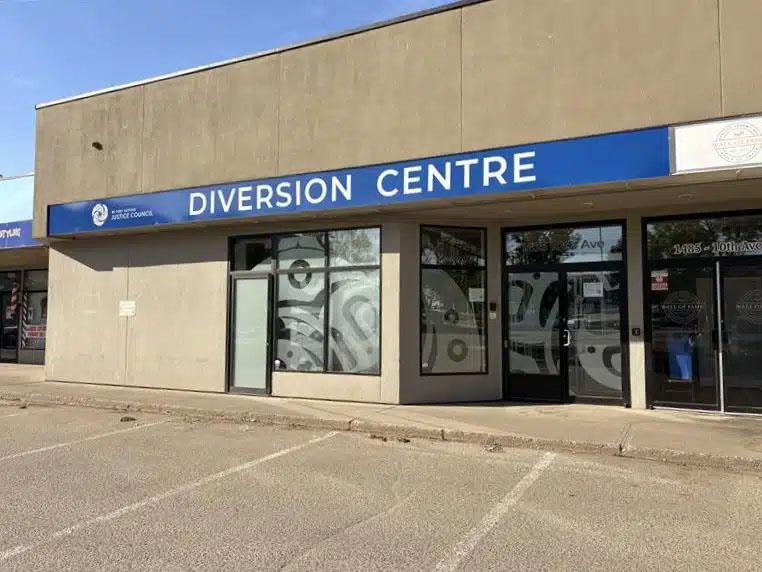
For years the First Nations Justice Council has been seeking more holistic approaches to deal with certain crimes, including involving the victim and the community in how an offender is rehabilitated and can reintegrate into their First Nation. In July 2025 the Justice Council opened the Indigenous Diversion Centre in Lheidli T’enneh territory.
“Diversion advances healing, safety and equity by equipping the Indigenous community of Prince George with supportive pathways to respond to issues flowing from the intergenerational impacts of colonization for which the revolving-door of arrest, prosecution and incarceration are both common and ineffective,” stated the Justice Council in its 2025 progress report.
The centre operates in Prince George, a central B.C. city where the correctional institution is 28 per cent over capacity with 63 per cent of those in custody being Indigenous.
The Justice Council states that a post-release program at the centre “focuses on the root causes of offending by providing a caring cultural environment where true rehabilitation and healing can occur,” while the pre-charge program diverts individuals with certain offences into a 90-plan of commitments to have the charges dropped. Working in partnership with the Prince George RCMP, the pre-charge program can include ceremony, clinical counselling, seasonal camps, land-based activities and other courses of treatment.
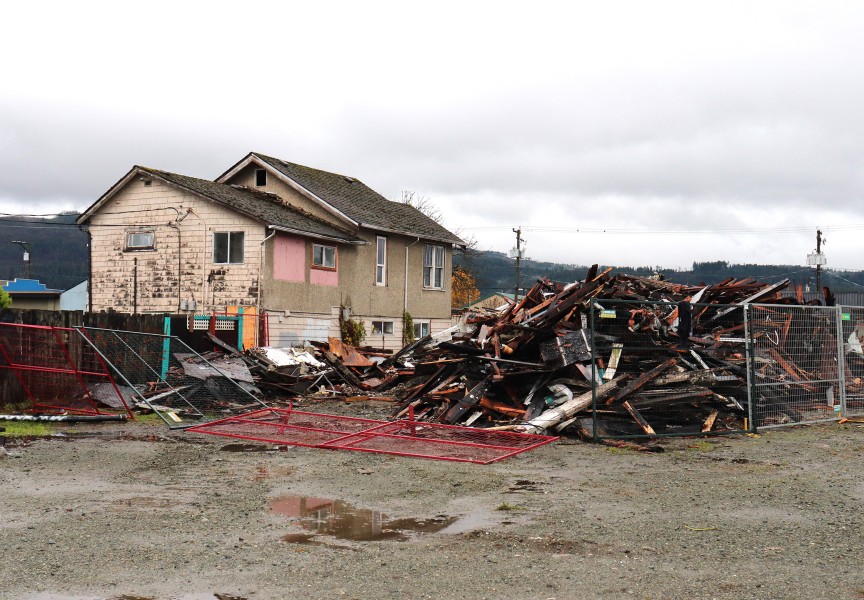
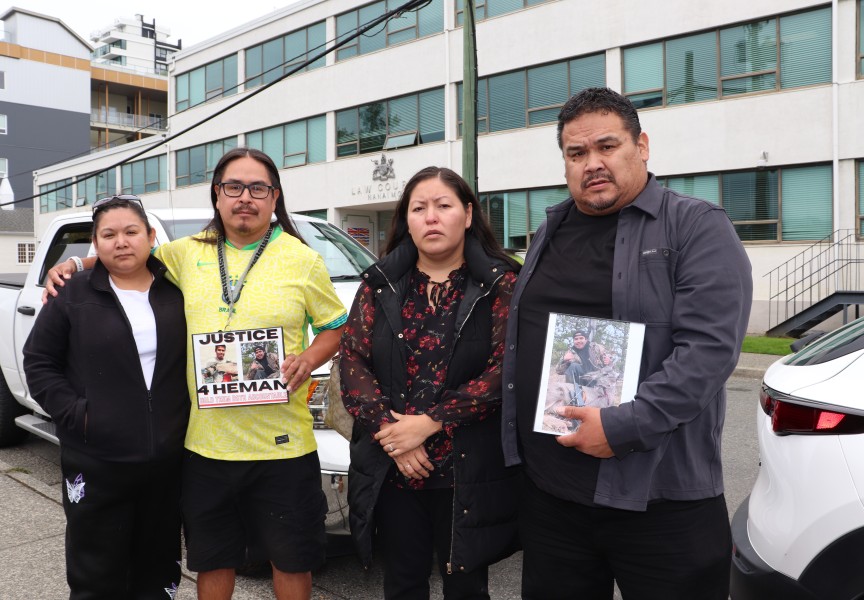
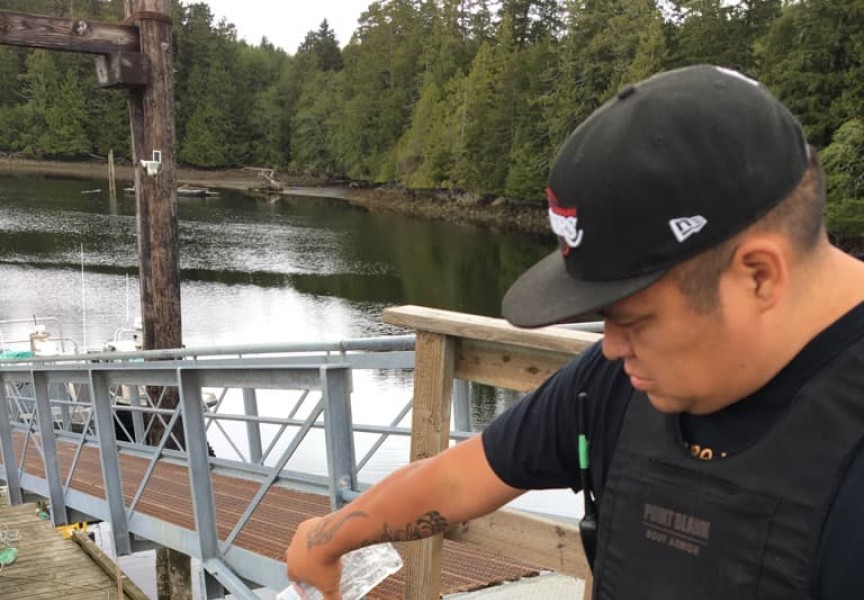
Those connected to the Tla-o-qui-aht community may wonder if such an intervention could have changed the course of Julian Jones’ life. The 28-year-old was fatally shot by police during an altercation at a home in the Meares Island village of Opitsaht on Feb. 27, 2021. The two RCMP members involved were responding to a call alleging sexual assault and forced confinement.
Last summer a coroners inquest into the death and the events leading up to it was held in Port Alberni. Testimony given during the proceedings detailed a young man who experienced considerable challenges since early childhood, including being born with Fetal Alcohol Spectrum Disorder, a condition that entails impulsive behaviour with disregard for consequences. Jones was also in and out of foster care during his youth, and experienced a substance use disorder, according to testimony from the inquest. He had a criminal record dating back to the time Jones became an adult.
After more than seven days of proceedings, what can’t be forgotten is that a life was taken during that dark evening in February five years ago, says Jones’ sister Laura Manson.
“The fact of the matter is that JJ's life was taken. There is no coming back from that,” she said in a statement released by the Tla-o-qui-aht. “JJ is loved and missed by many. I will not defend whether or not he committed a crime (holding a woman against her will, or assaulting the young woman). I wasn't there. The testimonies presented over the past eight days contradicted one another.”
The inquest resulted in recommendations from a jury, including better water taxi access for paramedics and an Indigenous liaison who can work with the RCMP in the area.
But Sayers believes that the process did more harm than good.
“I don’t think it solved any of the issues that were in place,” she said.
Currently the Tla-o-qui-aht have a Letter of Expectation agreed upon with the Tofino RCMP detachment. In place from April 1, 2026 to March 31, 2027, this agreement entails quarterly meetings with the detachment commander, regular updates on police incidents with Tla-o-qui-aht members and efforts to involve the RCMP in more events held by the First Nation. This year’s priorities agreed upon by both parties are police engagement with youth, more summer patrols and cracking down on the impaired operation of vehicles and boats.
“The Justice Department is committed to building a safer community through Tla-o-qui-aht culture and practices, accountability and healing,” stated a document from the First Nation. “The department is to increase community safety, reduce criminal justice system involvement, strengthen accountability, support victims and their families and revitalize culture.