The BC Coroners Service has release preliminary information that shows 1,826 lost their lives to unregulated drug toxicity in 2025, compared to 2,315 deaths in 2024. That represents an approximate 21 per cent decrease – a significant improvement, if the numbers hold.
While the news is indeed positive, the reasons for the downward trend are not clear. Are harm reduction measures working? If so, which ones? Are illicit drugs less toxic in 2025 than in previous years? Are fewer people using illicit drugs?
“While still representing a profound loss of life, this reflects an approximate 21 per cent decrease from 2024 (2,315), and the first time since 2020 that deaths due to unregulated drug toxicity have totalled fewer than 2,000 people within a year,” said the B.C. Coroners Service in a Feb. 19 statement.
The Ministry of Public Safety and Solicitor General notes that the Fraser and Vancouver Coastal Health Authorities recorded the highest number of unregulated drug deaths in 2025 – not surprising as the City of Vancouver is the most densely populated in British Columbia.
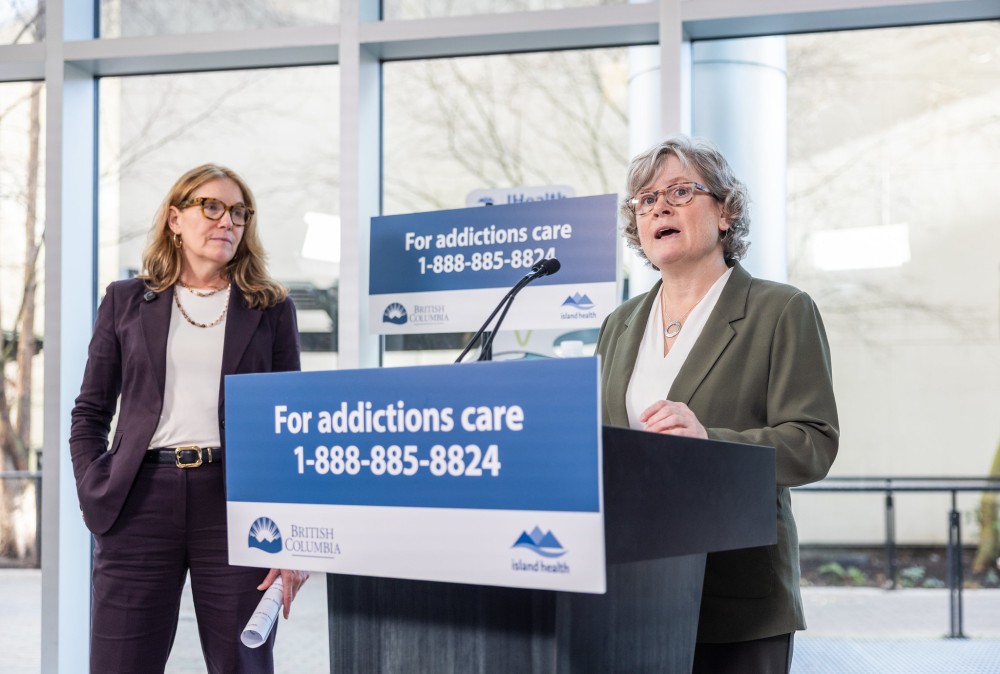
B.C. Medical Health Officer Dr. Charmain Enns is cautiously optimistic about the news, saying she hopes that the downward trend is sustained over time. She points out that since the public health state of emergency was declared in 2016, 18,000 people have died from illicit drug overdoses.
“This is still a profound loss of life that shouldn’t be happening and we should be outraged by this,” she stated.
In 2019 Dr. Enns noted that the situation was improving with harm reduction measures in place at the time, and it seemed that the illicit drug supply was less toxic than in previous years. People were less isolated and could use safe consumption sites in their cities.
But then the 2020 pandemic happened, forcing people to isolate indoors for an extended period of time. The number of deaths began steadily increasing.
“People were disconnected and the drug supply became very toxic and things got worse,” said Enns.
The year 2025 is the first time the number of opioid deaths has declined since 2019, but Enns says even with that 21 per cent decline we are still not at the level we were before the pandemic.
While the issue of addiction and overdose deaths is complex, it is happening all over North America and the number one factor is the toxicity of the illicit drug supply.
“Because it is unregulated, it is like a cocktail of chemicals and poisons,” Enns noted.
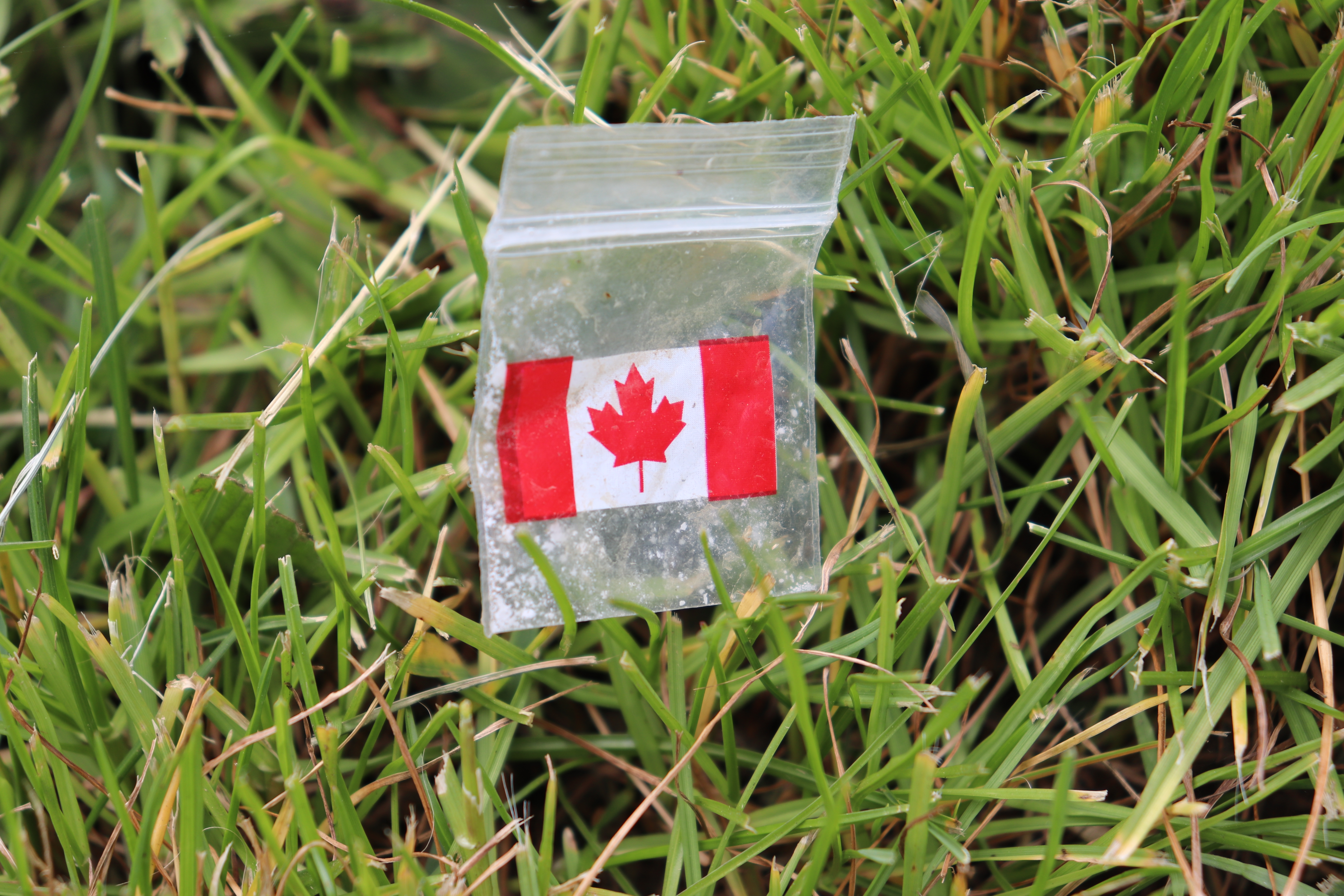
There is no way of knowing, with confidence, if the street drug one consumes is safe.
“And (without safe supply) we cannot be confident that the downward trend will continue,” she added.
The now widespread availability of Naloxone, which reverses the effects of opioid intoxication, has been a major factor in saving lives. Dr. Enns said an estimated 40,000 lives have been saved with Naloxone since 2016.
On Vancouver Island, greater Campbell River joins Vancouver and Terrace on the list of highest rates of suspected unregulated drug deaths.
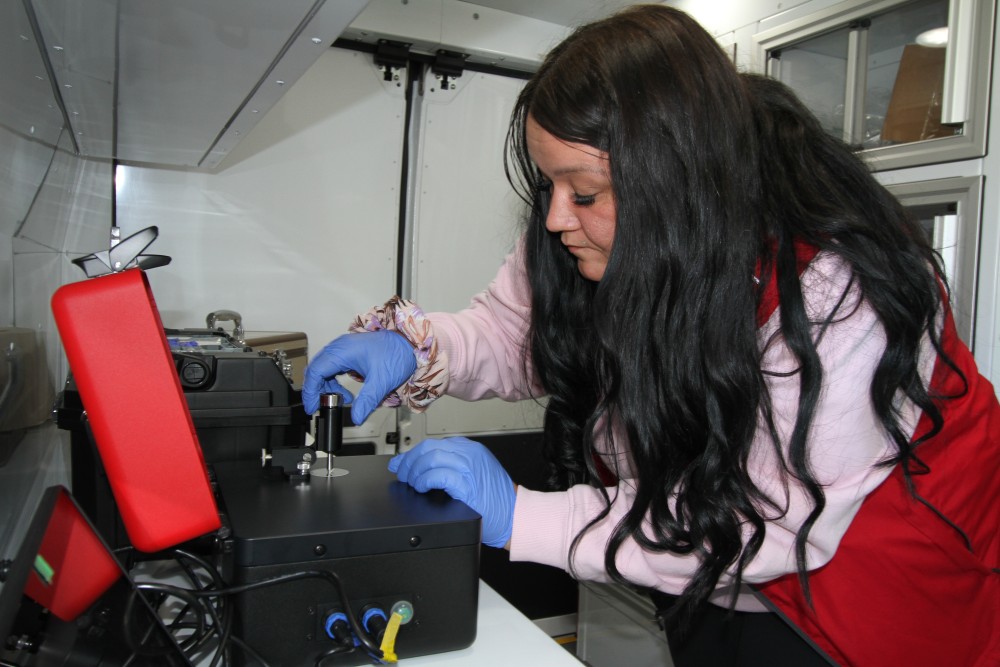
Fentanyl and its analogues continue to top the list of deadly poisons detected during expedited testing of decedents, according to the BC Coroner. Preliminary numbers show 69 per cent of fatalities had some form of fentanyl in their systems. The numbers are subject to change as more toxicological testing results come in.
But the substances used to make illicit drugs is always changing with powerful sedatives meant for veterinary use added to the mix. Naloxone does not reverse the effects of those sedatives, but Dr. Enns advises that Naloxone should be administered in case of an overdose because it works for opioids that are probably in the mix.
Alarmingly, the number of youth (18 years and younger) deaths suspected to be caused by drug toxicity increased by nearly 20 per cent last year, with 26 deaths in 2025 compared to 21 youth deaths in 2024.
“A whole generation of people are being lost and that is so profound,” said Enns. “What does this mean for children and families?”
Dr. Enns praised the efforts of the frontline harm reduction workers for keeping people connected and helping to protect lives. She believes that the answer to turning things around is to destigmatize those in addiction along with the provision of a safe, regulated drug supply. But that is not on the horizon for British Columbians.
In 2023 the province launched a pilot program to decriminalize people who use drugs. Those in possession of small amounts of drugs, less than a half a teaspoon, according to Enns, would not be criminally charged. It was intended to make it easier for people struggling with addiction to come forward for help.
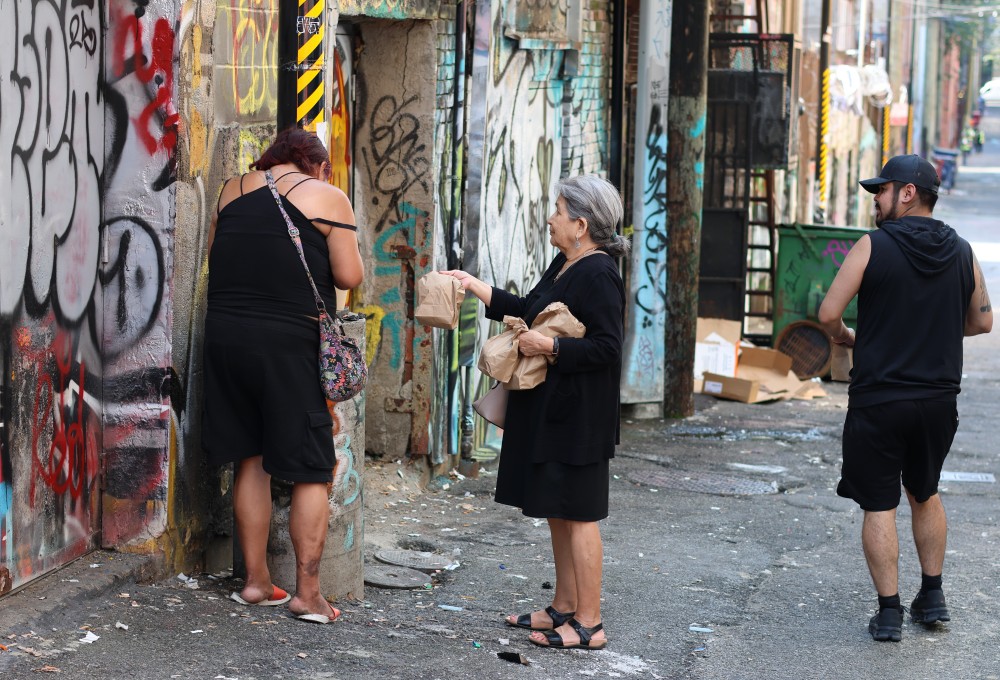
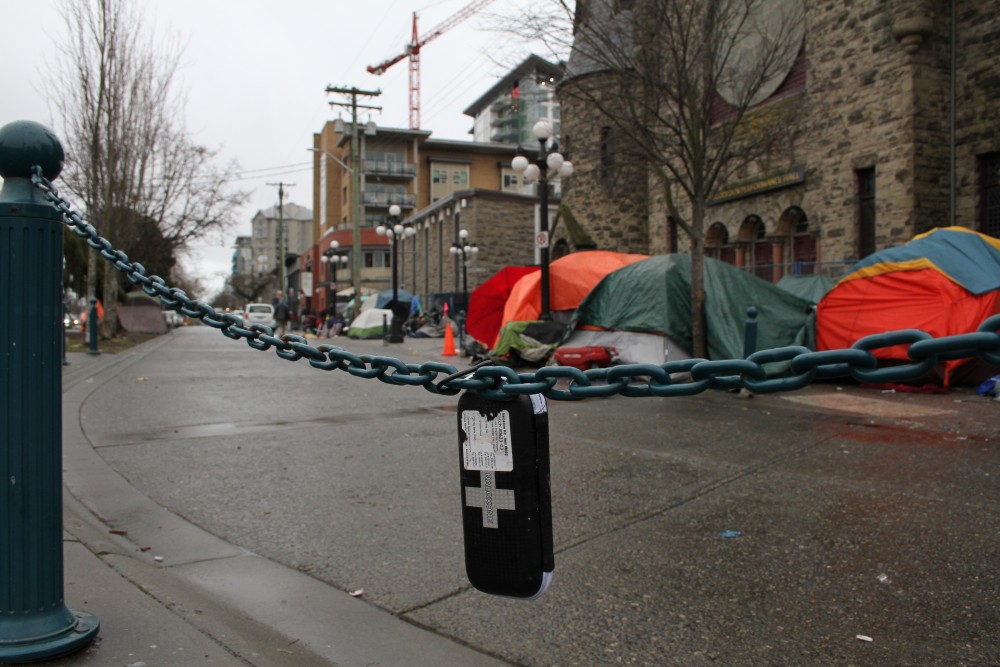
The idea was to remove the fear of criminal drug possession charges for those reaching out for help. Instead, the problem became more visible as drug use moved out into the open.
As of February 1, 2026, possession of small amounts of illicit drugs (opioids, cocaine, methamphetamine, MDMA) is illegal again. The B.C. government stated the pilot did not deliver the intended results, citing difficulties in measuring if it connected people to care and high public concern regarding "street disorder" and public consumption.
Enns says while the decriminalization effort failed, there are lessons to be learned from it. She said it was never fully implemented, and modifications were made along the way.
There are also not enough recovery beds, but it’s better than it was in 2016.
“We can’t take our foot off the gas in terms of intervention,” said Enns. “The ultimate answer is a regulated supply that’s controlled and managed, so people know what they’re getting.”
That decision she said, belongs to the provincial and federal governments.