New studies are exploring how pollution from tire chemicals found in streams are affecting salmon on Vancouver Island.
When it rains, contaminants from tires can be carried to streams through storm water drains. One of the contaminants, known as 6PPD-quinone (6PPDQ), leaks from tiny tire wear particles left behind on the road.
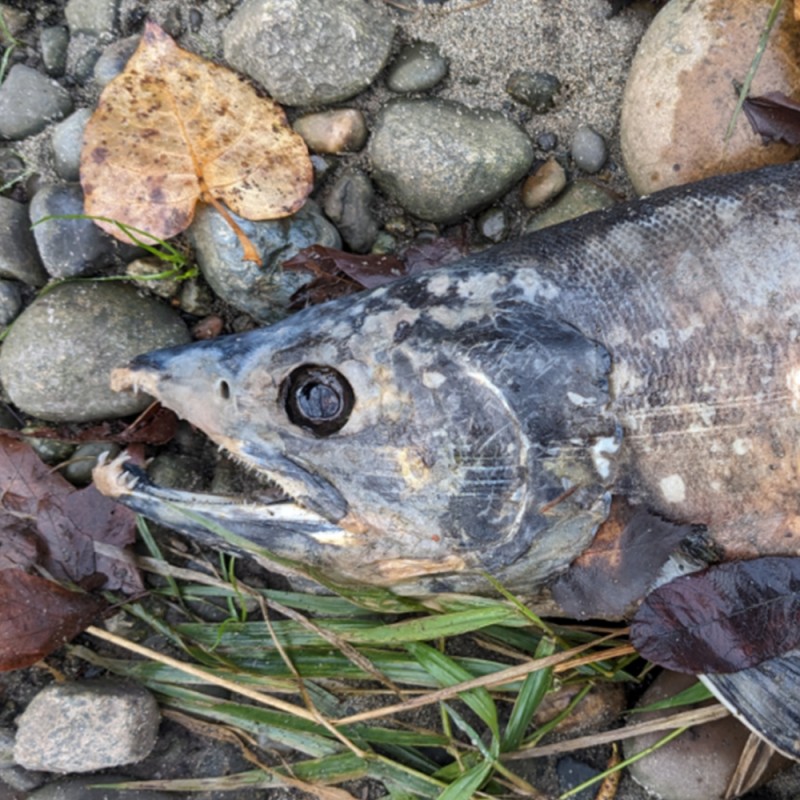
According to a report from Vancouver Island University and the BC Conservation Foundation, 6PPDQ forms when a common tire additive reacts with oxidants in the air and is acutely toxic to coho salmon even at extremely low levels.
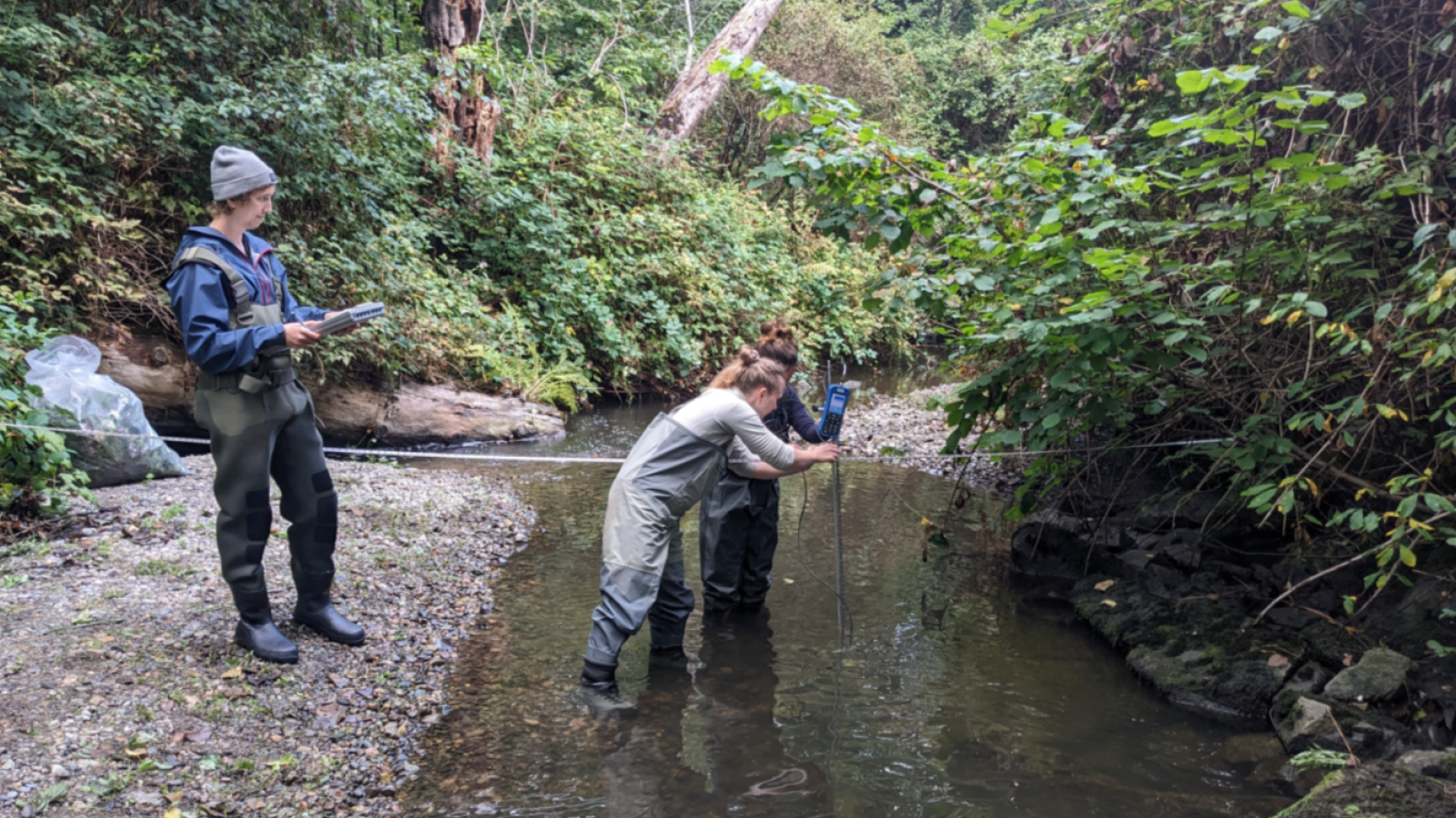
Dr. Erik Krogh, a Vancouver Island University Chemistry Professor and Co-director of the Applied Environment Research Laboratories (AERL), and his team are leading a large-scale study to understand when and where this tire-wear toxin appears in waterways across Vancouver Island. The project includes 35 local groups, citizen scientists and First Nations, sampling more than 60 waterways at 140 sites between Victoria and Campbell River.
“We've worked with more Coast Salish Nations, as our primary study area was on the east coast of Vancouver Island (We Wai Kai, A-Tlegay Fisheries Society, Snuneymuxw First Nation, Stz'uminus First Nation, Halalt First Nation, Cowichan Tribes, Malahat Nation),” said Haley Tomlin, biologist with the BC Conservation Foundation. “That said, we have also been working with Tseshaht First Nation to support their monitoring.”
By collecting water samples during rainstorms, the researchers have found the highest 6PPDQ levels in areas with heavy traffic and many paved surfaces, where tire dust is quickly washed into storm drains and fish habitat. Concentrations can spike rapidly during storms, sometimes reaching levels that harm fish.
“Tire wear chemicals are usually found in small urban streams where there is a lot of impermeable surface and lots of cars,” Krogh said in a press release. “Tire wear toxins show up in the stream because rainwater washes them off the roads and into nearby creeks through storm drains. Levels can change a lot depending on the amount of rainfall and runoff occurring.”
A rapid testing method was developed at VIU, with support from the Natural Sciences and Engineering Research Council of Canada, allowing the research team to analyze more than 100 samples a day at parts-per-trillion levels.
The study has identified high-priority storm water outfalls affecting small, fish-bearing streams in the urban landscape. Krogh and his partners are now testing rain gardens and filtration systems and developing “stream report cards” to help guide future solutions.
Krogh said some storm water outlets are more important to watch than others. High-priority spots are where 6PPDQ often shows up at levels above safe limits, and where the water flows into small streams that have fish.
“Coho salmon are very sensitive and live in these small creeks during their first year, so they can be affected by multiple rain events,” Krogh said.
There are several ways to clean storm water, Krogh said.
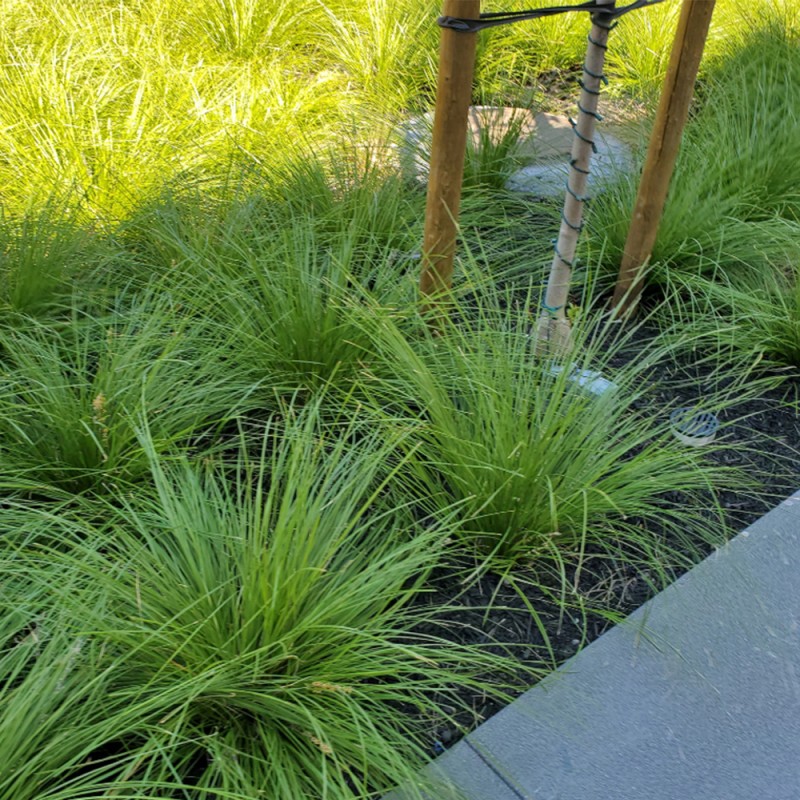
“Nature-based solutions, like rain gardens and wetlands, slow down water, help it soak into the ground and make the water cleaner before it reaches streams,” he said. “These areas also reduce erosion and create habitats for beneficial insects and other animals. In places where this is hard to do, we are also testing end-of-pipe solutions that treat water right at the outfall or downspout.”
Krogh added that storm water in cities can carry other toxic chemicals, like metals and persistent organic compounds, that harm the environment.
“We are working with First Nations and local Island governments to learn more and help remove these toxic chemicals from storm water before they reach natural waterways,” he said.
The BC Conservation Foundation, with VIU are continuing their work with local First Nations and stewardship groups to identify which waterways along the east coast of Vancouver Island are most impacted by tire wear toxins.
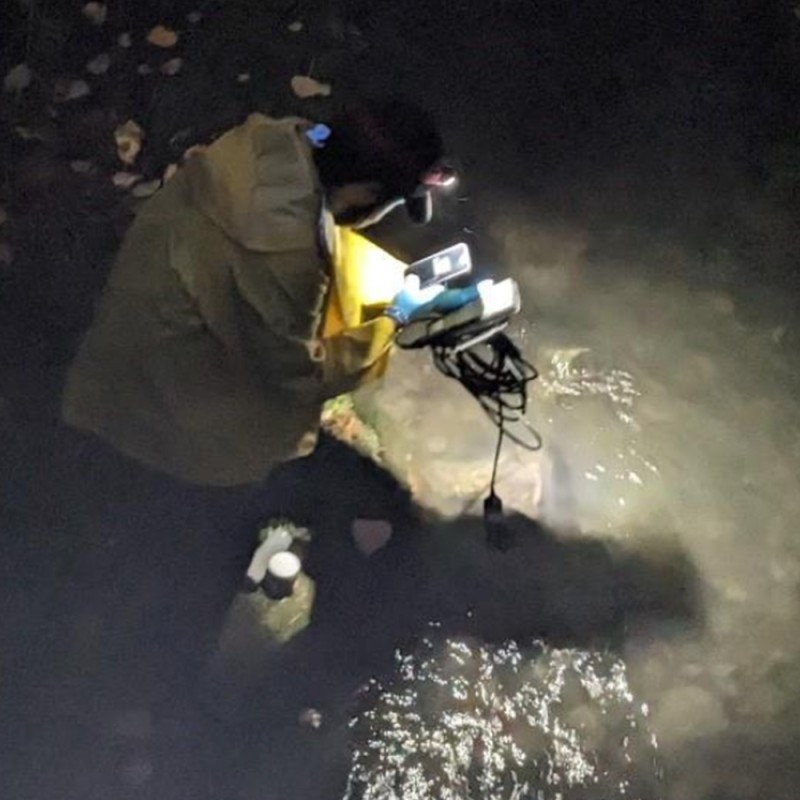
Sampling crews, primarily comprised of volunteers from local stewardship groups across Vancouver Island, are sampling before, during, and after major rain events to gain an understanding of which waterways are most impacted and which sources are contributing to the greatest amount of tire toxins.